

South Africa is once again faced with a steep fuel hike, and this time, it is more severe than usual. In a media statement released by the Department of Mineral Resources and Energy, it was announced that fuel prices would increase from April 1, 2026.
The hike is influenced by both global and local factors. As a net importer of crude oil and refined petroleum products, South Africa is highly susceptible to international pricing, fluctuations in exchange rates, and the costs of imports.
Below are the adjusted fuel prices:
- Petrol 93 and 95 (ULP & LRP): R3.06 per litre increase
- Diesel (0.05% sulphur): R7.37 per litre increase
- Diesel (0.005% sulphur): R7.51 per litre increase
- Illuminating Paraffin (wholesale): R11.67 per litre increase
- SMNRP for IP: R15.60 per litre increase
- Maximum Retail Price of LPGas: R1.08 per kg increase and R1.23 per kg in the Western Cape
When fuel prices rise at such a rapid rate, it usually causes panic because their impact is unavoidable. To highlight the magnitude of the challenges caused by the rising fuel prices, the Road Freight Association (RFA) reports that fuel accounts for approximately 30% to 40% of total operating costs in the road freight sector, making it one of the largest cost drivers in logistics.
Additionally, Statistics South Africa data shows that transport and fuel price increases are among the biggest contributors to inflationary pressure, with knock-on effects across food prices, retail, and manufacturing. With diesel prices now rising sharply, industry analysts warn that even small increases can significantly erode profit margins for transport operators, particularly small and medium-sized logistics companies.
This sharp increase has had a significant impact on the road freight sector, placing additional financial strain on operators. Speaking to the SABC, Gavin Kelly, RFA CEO, described this current rise in fuel cost as one of the biggest, if not the greatest, immediate increases to basic fuel prices that South Africa has seen in the history of international fuel price increases since the 70s.
While some sectors of the freight industry may not feel the effects immediately, the pressure on road freight operators is mounting. Logistics companies are now being forced to reassess their operations to maintain efficiency without disrupting supply chains.
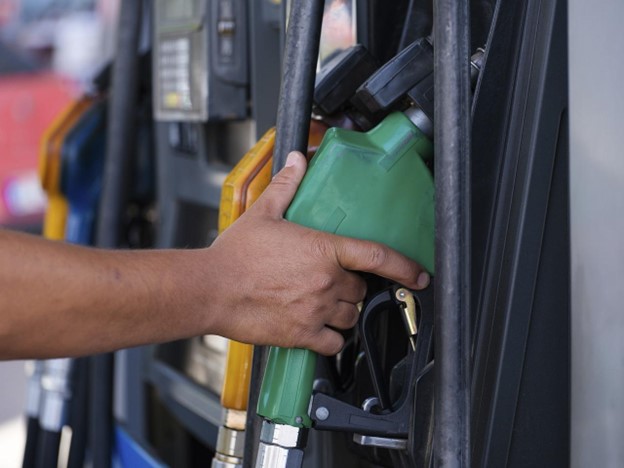
“Cash flow reserves come into play, and a lot of people say the big operators will be fine, but they are just as hard hit because obviously, when you buy in bulk, you need to put down a deposit. And the fuel majors will be saying, ‘Well, it’s gone up by that amount, we need to have a larger deposit from you.’ So really, transporters are going to have a really, really tough time, especially if their customers start to fight about the new rate these transporters are going to charge,” said Kelly.
Other industry experts, including Marcus Ellappan, Overland Logistics Director at Bidvest International Logistics, advise against reactive decision-making.
“Businesses should instead view fuel volatility as a trigger to reassess how their supply chains are designed and managed. Increased costs often highlight where inefficiencies exist, whether that’s underutilised loads, suboptimal routing, or distribution networks that are no longer fit for purpose,” he said.
In response to the rising fuel costs, the National Treasury has announced a temporary fuel price relief of R3, effective from April 1 to May 5, 2026. This window is intended to help businesses develop both short-term solutions and long-term structural adjustments.
However, some consequences remain unavoidable. Increased operational costs are likely to be passed on to consumers. To minimise the impact, industry leaders recommend optimising route planning, reducing vehicle idling, maintaining fleet efficiency, consolidating shipments, and exploring multimodal transport solutions where possible.