
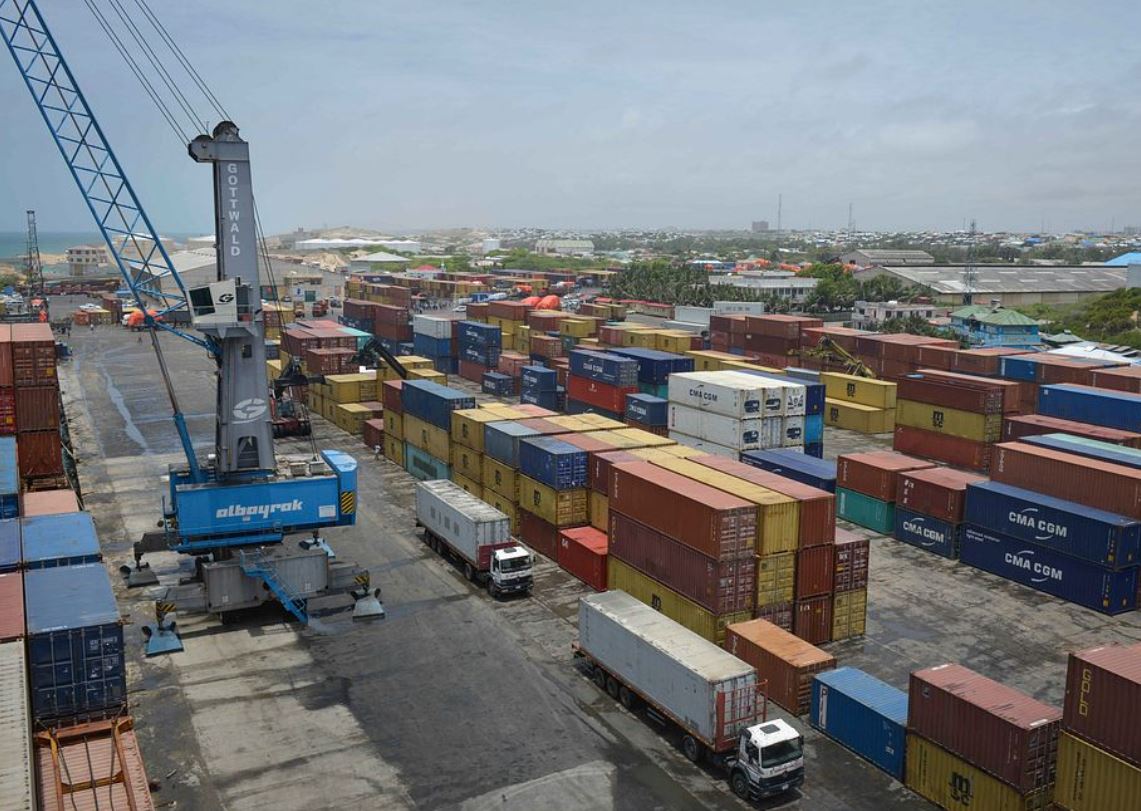
The Nigerian Maritime Administration and Safety Agency (NIMASA) launched a bold campaign aimed at eliminating War Risk Insurance (WRI) premiums on cargo heading to Nigeria. These charges, which are added by international shipping companies, were introduced years ago during a period of intense insecurity marked by piracy and militant activity in the Niger Delta region. However, NIMASA now argues that these premiums are outdated and unjustified given the dramatic improvements in maritime security.
War Risk Insurance
War Risk Insurance consists of two primary components: one that insures people and goods aboard a ship (liability), and another that covers the ship itself (hull). Despite Nigeria’s efforts to secure its waters, shipping companies continue to levy these charges, adding significant costs to maritime trade. The agency revealed that Nigeria has paid over $1.5 billion in such surcharges to foreign insurers over the past three years alone.
According to NIMASA, the original threats that led to the imposition of WRI no longer exist and Nigeria has not recorded any piracy incidents in more than three years. The International Maritime Bureau acknowledged this progress by removing Nigeria from its piracy watchlist in 2021. Additionally, in 2023, the International Bargaining Forum also delisted the country from its high-risk maritime nations list. NIMASA attributes this success to sustained collaboration with the Nigerian Navy in tackling maritime crime across the Gulf of Guinea.
Despite these improvements, the global shipping community has yet to update its policies, continuing to charge war risk premiums on vessels bound for Nigeria. This practice has placed a heavy financial strain on the country. For example, a very large crude carrier worth $130 million may incur up to $445,000 in WRI fees per trip. For newer container vessels valued at $150 million, the surcharge can exceed $525,000 per voyage.
Dr. Dayo Mobereola, the Director-General of NIMASA, is actively taking Nigeria’s case to international platforms. He has held meetings with key global stakeholders, including Chatham House and Dr. Alex Vines, Director of the Africa Programme, who promised to raise the issue with the United Nations. The agency is also engaging with leading shipping associations such as BIMCO, the International Chamber of Shipping, Intercargo, and Intertanko to advocate for the removal of these charges.
NIMASA is calling for fair recognition of Nigeria’s improved maritime safety. The agency emphasizes that continued imposition of WRI premiums undermines the progress achieved through significant national investments in security and maritime infrastructure. It insists that the time has come for the international shipping community to reassess its risk calculations and treat Nigeria as a safe and viable maritime trade destination.