
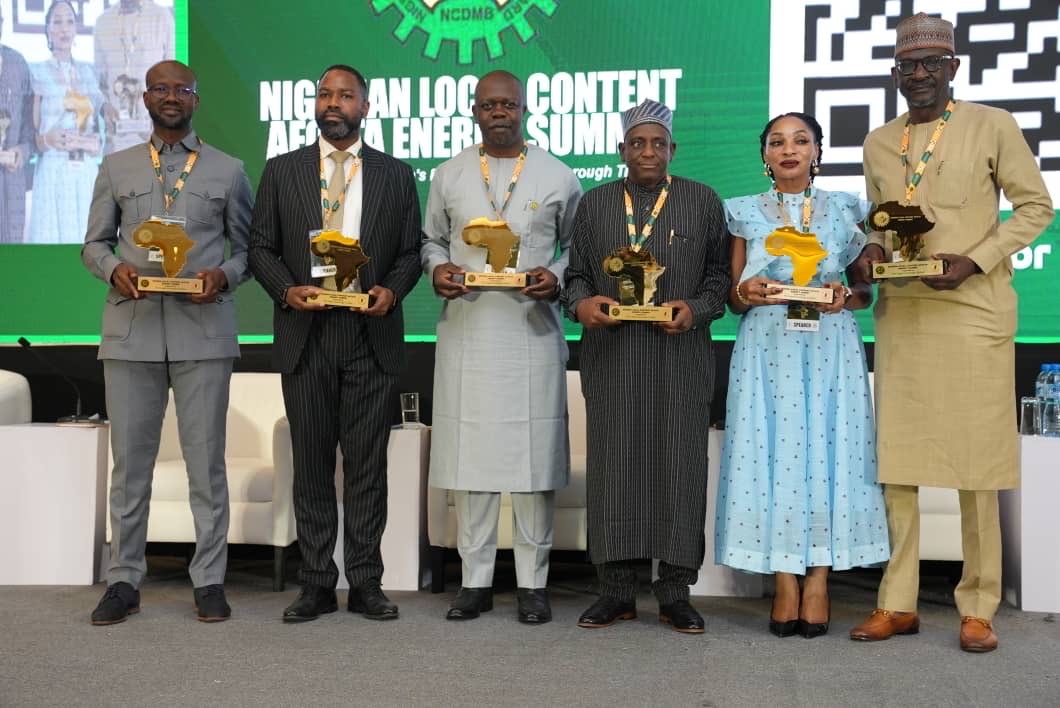
Africa’s bold vision for economic integration took a decisive step forward as the 2026 African Continental Free Trade Agreement Summit opened in Lagos on Monday.
Regulators, project developers, financiers and industry leaders converged with a shared focus on unlocking intra Africa trade, harmonising standards across borders and accelerating technological innovation to position the continent as a globally competitive production hub.
With a combined population of 1.4 billion people and an economy valued at 3.4 trillion dollars, discussions at the summit centred on how AfCFTA can drive a strategic shift away from fragmented national markets towards integrated regional supply chains.
Delegates explored how Africa’s vast mineral and industrial resources could be leveraged to boost domestic manufacturing of high value products, from oil and gas equipment to marine vessels and industrial infrastructure.
A key theme running through the discussions was the importance of moving beyond raw material exports.
Speakers examined practical scenarios such as producing oil and gas hardware locally, designating centres of excellence for shipbuilding and repairs, and enabling manufacturers across Africa to benefit from favourable trade terms under AfCFTA.
Questions raised included how Nigerian manufactured cables could access markets in Angola, what compliance and rules of origin requirements a Nigerian sacrificial anode producer would need to meet to export to Algeria, and what additional measures are required to achieve continental energy security beyond expanded refining capacity, gas transmission pipelines and industrial parks.
In his keynote address, the Executive Secretary of the Nigerian Content Development and Monitoring Board, Engr Felix Omatsola Ogbe, represented by the Director of Corporate Services, Dr Abdulmalik Halilu, revealed that Nigeria’s oil and gas industry formally embraced AfCFTA in 2022 and developed a framework to domesticate the policy.
He explained that implementation within the sector rests on three pillars: opportunities identification, capacity development and capacity exportation. Nigeria’s strengths, he noted, include a robust oil field services supply chain, growing refining capacity, established logistics bases, extensive gas pipelines and a deep pool of skilled technical professionals.
On capacity development, Engr Ogbe highlighted how Nigeria’s local content framework has enabled the growth of capabilities across the oil and gas value chain. These include marine vessel ownership, fabrication, assembly and installation of production systems such as Christmas trees, pressure vessels and pumps.
However, he identified capacity exportation as the next frontier and the driving reason behind convening the summit. He proposed the idea of a unified work permit and visa system that would allow skilled professionals to work seamlessly across borders, citing an example where a welder from Senegal could be engaged in a fabrication facility in Johannesburg.
Engr Ogbe emphasised that true continental integration would allow Africa to shift from exporting raw materials to producing high value goods. Pathways to achieving this, he said, include the development of regional value chains, improved infrastructure connectivity, regulatory harmonisation, industrial clusters and greater inclusion of small and medium enterprises.
He assured participants of the NCDMB’s continued support, reinforcing confidence that AfCFTA can serve as a powerful catalyst for inclusive growth, industrialisation and shared prosperity across the continent.