
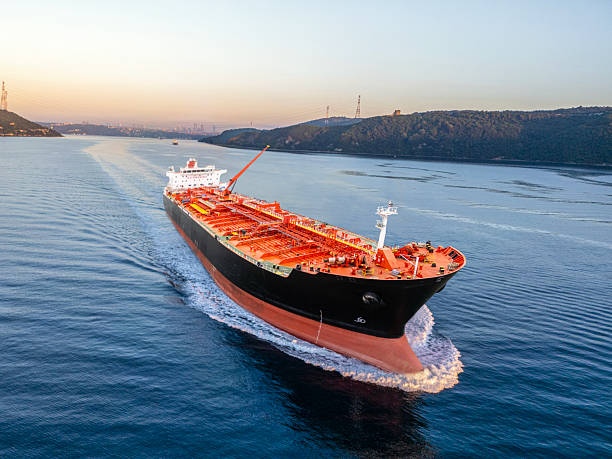
Cape of Good Hope emerges as a key refuelling hub as Middle East conflict reshapes maritime trade routes
Ship-refuelling companies along Africa’s coastline are experiencing a surge in demand as global shipping routes shift away from conflict zones in the Middle East, positioning the continent as an increasingly important bunkering hub.
Ongoing instability has forced vessels to avoid traditional routes such as the Suez Canal and the Bab el-Mandeb Strait since late 2023, when Houthi attacks disrupted Red Sea shipping. More recently, U.S. and Israeli strikes on Iran, along with the closure of the Strait of Hormuz, have reinforced this shift, pushing more vessels to reroute around the Cape of Good Hope.
Major global carriers including Maersk, Hapag-Lloyd, and CMA CGM have confirmed that vessels are now regularly taking the longer Cape route. While this extends voyage times, it creates new opportunities for refuelling across African ports.
This shift is accelerating investment in Africa’s bunkering sector. Established suppliers such as Monjasa report increased demand, while new entrants including Vitol, Bunker Partner, Peninsula, Flex Commodities, and Global Fuel Supply are expanding their presence.
“Volumes have been positively impacted by the Red Sea security situation, causing more vessels to reroute south of Africa,” said Monjasa spokesperson Thorstein Andreasen.
Monjasa, which has operated in West Africa for nearly two decades and also supplies fuel at Fujairah, reported further increases in bunkering activity during the first week of the Iran conflict.
“No matter the outcome of the conflict, we expect overall volatility to remain high for a considerable period of time,” Andreasen added.
New Routes Become ‘Operational Reality’
The scale of the shift is becoming increasingly clear along the Cape route. According to the Cape Chamber of Commerce and Industry, vessel diversions rose by 112% as of early March, signalling what many in the industry now view as a permanent operational adjustment.
“After nearly two years of operating under these conditions, it is increasingly hard to describe our setup as a temporary measure. It has instead become an adaptation to a new operational reality,” said Bhavan Vempati, head of Asia Market for Ocean at Maersk.
The trend is also driving new investment. In November, Flex Commodities launched physical bunkering operations at Walvis Bay and Luderitz.
“We are targeting the growing volume of traffic moving around the Cape and the offshore market, offering an alternative to traditional bunkering hubs,” said managing partner Rakesh Sharma.
In Ghana, bunker operator Misa Energy is scaling up operations to meet rising demand, particularly in offshore markets. The company expects bunkering volumes in the country to triple over the next decade.
Long-term growth is also being supported by rising intra-African trade, increased port infrastructure investment, and the continent’s strategic position along global shipping routes, according to the International Bunker Industry Association.
At Port Louis, bunker fuel sales nearly doubled to a record 929,043 metric tonnes in 2024, up from 509,837 tonnes the previous year, according to the Mauritius Ports Authority.
Meanwhile, regulatory challenges have impacted South Africa’s position as a major bunkering hub. According to a report by PwC, bunker volumes declined to about 80,000 tonnes per month in 2024, down from approximately 130,000 tonnes per month in 2023, with business shifting to ports such as Port Louis and Walvis Bay.
Reuters.