
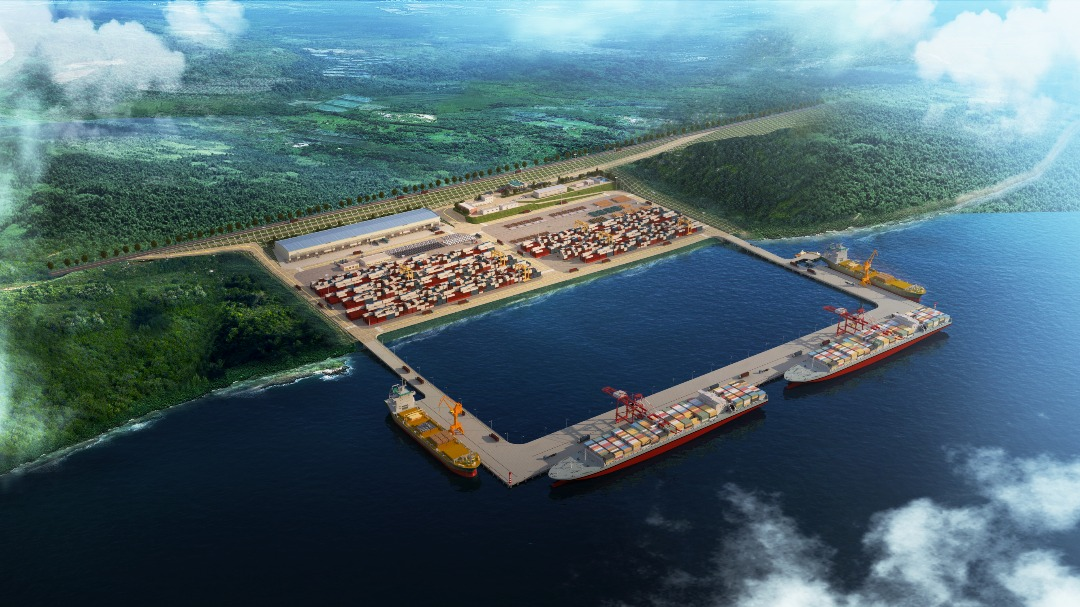
Zanzibar has launched construction of the $300 million Mangapwani Integrated Port in North Unguja, marking a major step toward addressing infrastructure challenges that have constrained the island’s economic growth.
The project, initiated under Hussein Ali Mwinyi, is designed to tackle three key structural issues: congestion at existing port facilities, limited energy capacity and high fuel costs that continue to affect trade competitiveness.
Replacing Ageing Port Infrastructure
The new development will effectively replace the ageing Malindi Port, which was built in 1920 and has long struggled with capacity limitations. Operating with a single small berth, the port has faced persistent congestion, leading to longer turnaround times and higher logistics costs.
The Mangapwani port aims to modernise Zanzibar’s maritime infrastructure by introducing a multi functional facility capable of handling larger cargo volumes and improving efficiency across supply chains.
Integrating Energy and Logistics
Beyond port expansion, the project reflects a broader strategy to integrate logistics infrastructure with energy supply. High fuel costs and limited energy availability have been major constraints on sectors such as transport, tourism and light industry.
By incorporating energy solutions into the port’s design, authorities aim to improve fuel access, stabilise supply and reduce inefficiencies across the logistics network.
Strengthening Regional Trade Position
The Mangapwani Integrated Port is expected to enhance Zanzibar’s position within East African trade corridors, improving connectivity with mainland Tanzania and regional markets.
As trade volumes across the region continue to grow, modern infrastructure will be essential to support economic diversification and unlock new opportunities.
If completed as planned, the project could significantly lower logistics costs, improve energy access and reinforce Zanzibar’s role as a strategic hub in regional trade.