

A year ago, Transnet launched its seventh operating division, Transnet Rail Infrastructure Manager (TRIM), to transform South Africa’s rail network, improve efficiency, and position rail as a key driver of economic growth.
Since its inception, TRIM has accelerated compliance with rail reform, opened the network to third-party operators, and begun restoring neglected infrastructure to support the recovery and growth of rail transport.
Moshe Motlohi, CEO of TRIM, explains that the division was created to ensure fairness as new players entered the rail sector.
“From a legal point of view, there had to be a separation of the arm that maintains infrastructure from the one that operates trains. TRIM was established to manage the introduction of new operators without bias, enabling everyone to grow,” says Motlohi.
He adds that this separation is vital for South Africa’s competitiveness: “We are endowed with minerals needed worldwide, but we face competition from countries like Australia. To remain relevant, our products must reach markets on time, creating jobs and sustaining growth. TRIM is central to achieving that.”
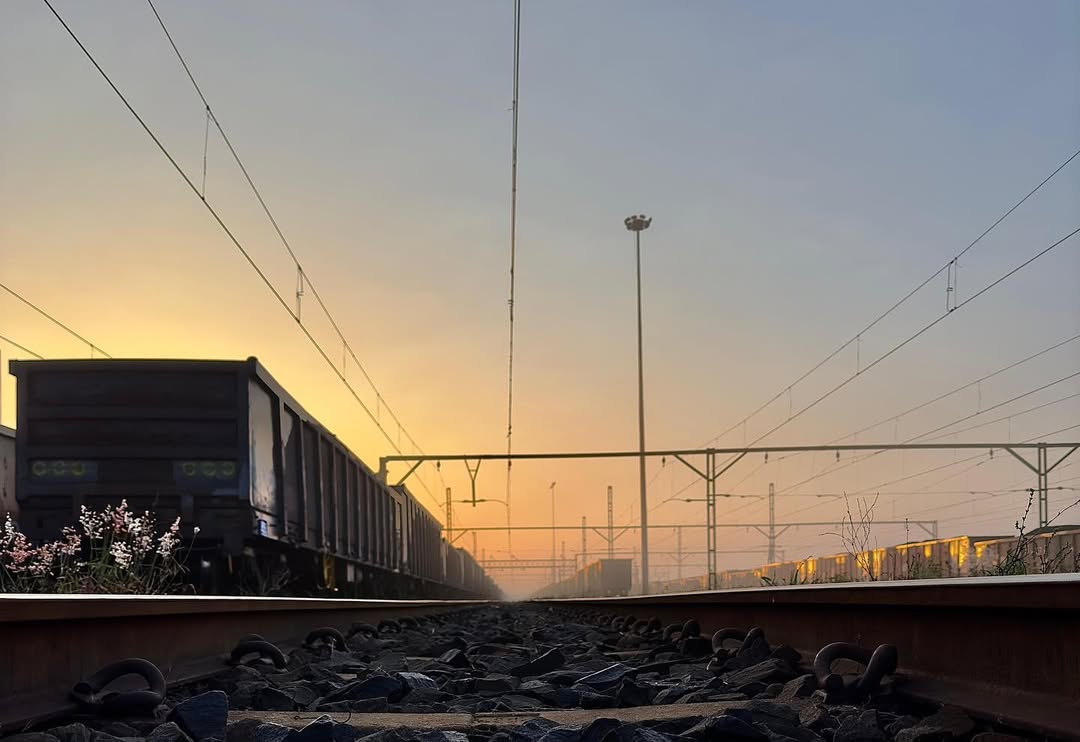
One of TRIM’s milestones has been speeding up compliance with reform by issuing Siding Lease Requests for Proposals (RFPs). Out of 25 submissions, 11 proposals were selected to operate siding facilities in the Eastern and Central regions.
However, the journey has not been without challenges. The division had to quickly appoint an Executive Committee (EXCO) and secure funding. Motlohi notes that while government support was expected, TRIM had to find alternative funding solutions.
“It was difficult to convince the independent regulator that we deserved better tariffs. We calculated what was needed to restore the network versus what we could afford, and there was a gap. We’re still working toward fair tariffs, but the government has since granted us R10 billion in PFI (Private Finance Initiative) funding to focus on the East Corridor and other lines,” he explains.
Read More: https://www.logisticsbusinessafrica.co.za/south-africas-fuel-hike-forces-logistics-companies-to-rethink-survival-strategies/: One Year On: How TRIM Is Reshaping South Africa’s Rail NetworkAlthough the funding issue has been resolved, copper theft and vandalism continue to pose significant threats to railway operations. In response, TRIM is focusing not only on targeting the perpetrators but also on addressing the demand side of the stolen goods market, intending to disrupt the cycle of theft.
With the high fuel hike, more people are expected to turn to rail transport as a cost-effective alternative.
Although it has been disrupted in the past, rail is adamant in reclaiming its position as the backbone of South Africa’s economy, and TRIM is expected to play a pivotal role in its recovery and long-term growth. With 11 Train Operating Companies (TOCs) set to join Transnet’s network, the sector is gradually opening up to increased competition and efficiency.
As TRIM enters its second year, its success will depend not only on sustaining reform momentum but also on strengthening infrastructure, securing fair tariffs, and curbing ongoing threats such as theft and vandalism. If these challenges are addressed, TRIM could mark a turning point in restoring confidence in South Africa’s rail system and unlocking its full economic potential.