
The creation of a trade-enabling environment across the African continent will make specialized economic zones that much more effective at attracting trade.
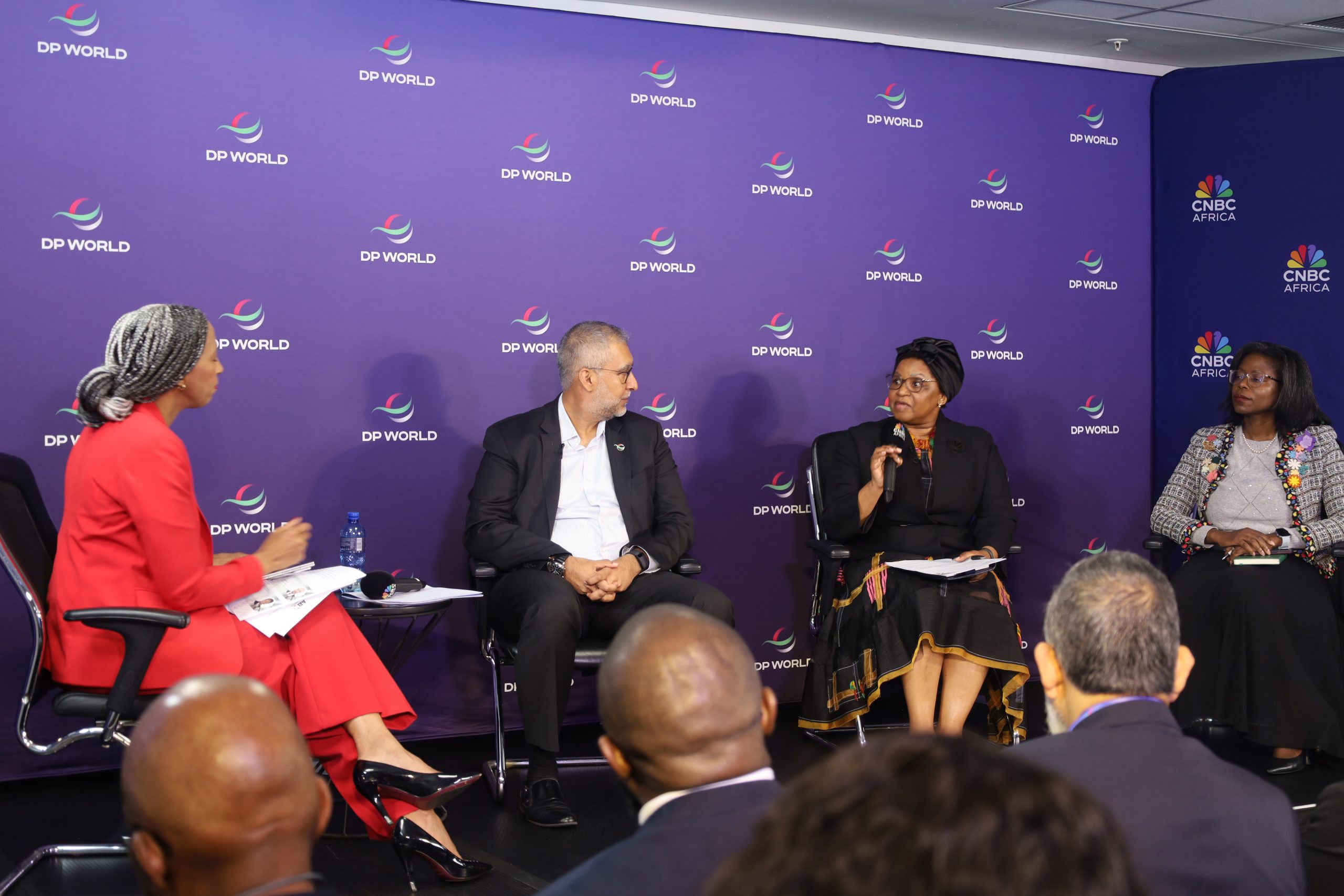
This was the sentiment expressed at a recent panel discussion, centred on economic zones and their contribution to regional growth. The event was held in Sandton and hosted by DP World while CNBC Africa broadcast it live.
The panellists were Mohammed Akoojee, CEO of DP World Sub-Saharan Africa, Busi Mabuza, Chair of the B20 Trade and Investment Task Force, Trudi Mkhaya, partner at the Boston Consulting Group and Mohamed Ali, director at the African Continental Free Trade Area.
For Akoojee trade is enabled when the borders between African countries all but disappear. Customs clearing at each border post and other complexities, like trucks with pre-cleared goods being held up at border posts by trucks whose goods are in the process of being cleared, fall away when trade is practically without borders.
Mabuza wanted to see inter-Africa trade increase from its current 17%, “maybe not to 50% in our life time, but I’d like to see it increase significantly. This will only happen when enabling mechanism are focused on”.
Makhaya described economic zones as facilitating a cluster, “Therefore there needs to be research and development support, investment and a regulatory environment that makes trade seamless.”
Akoojee highlighted the enabling qualities of technology. He believes technology can make the playing field level in a landscape where there are different customs and port systems depending on the country you’re entering.