
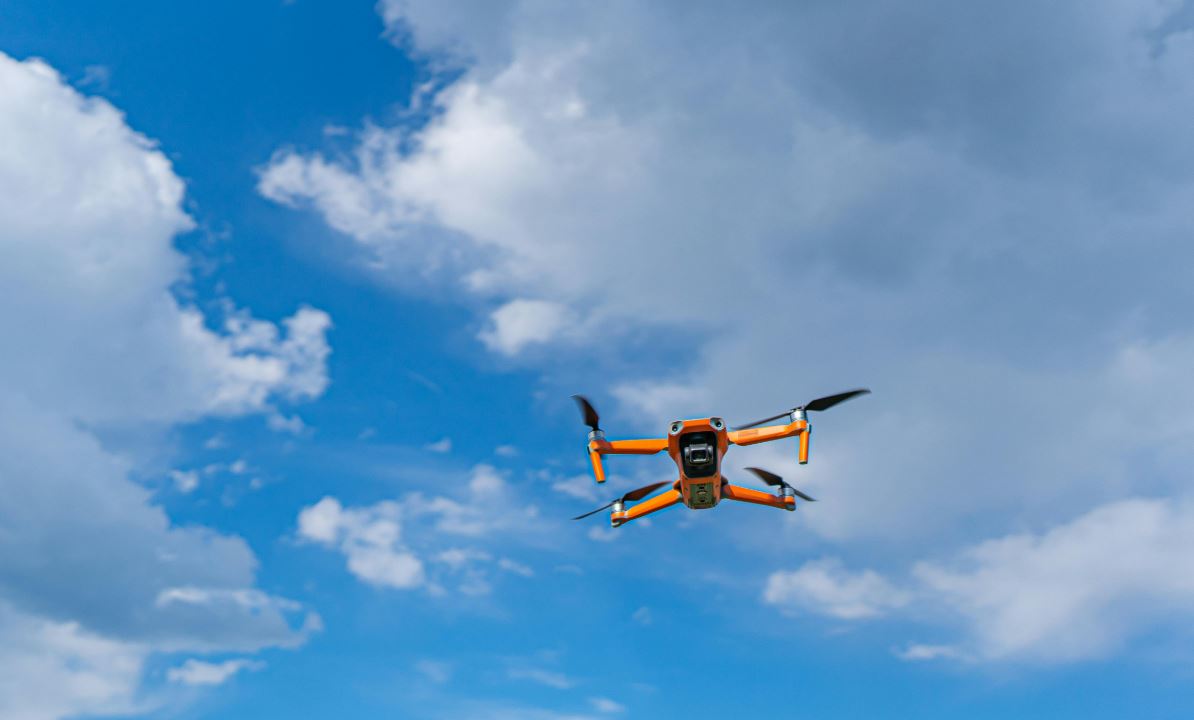
Airbus, through its subsidiary AALTO, has successfully conducted the inaugural test flights of its solar-powered Zephyr High Altitude Platform Station (HAPS) in Laikipia County, Kenya.
Operating in the stratosphere at altitudes between 10 to 50 kilometers, the Zephyr HAPS is designed for various applications, including security observation, border security, mobile connectivity, forest fire management, and precision agriculture.
Laikipia was selected for this initiative due to its favorable weather conditions, expansive open spaces, and low air-traffic airspace, making it ideal for high-altitude drone operations. Additionally, Kenya’s stable government, supportive economic environment, and a young, tech-savvy population provided a conducive environment for such advanced technological trials.
Scope of test
The recent test flight demonstrated the Zephyr’s remarkable endurance, remaining airborne for 13 days at an altitude above 18.29 kilometers. During this period, it tested a payload designed to provide direct-to-device (D2D) 4G/5G connectivity, which could revolutionize internet access in remote and underserved areas of Kenya.
Beyond technological advancements, this project is poised to create nearly 1,000 job opportunities, boosting the local economy and potentially transforming Laikipia into a hub for new tech industries. Airbus plans to establish four to five similar hubs worldwide, with Kenya being among the first, underscoring the country’s strategic importance in global aerospace developments. The successful operation of Zephyr from the AALTOPORT in Laikipia highlights Kenya’s growing role in cutting-edge technology and positions the nation as a leader in Africa’s aerospace sector.