
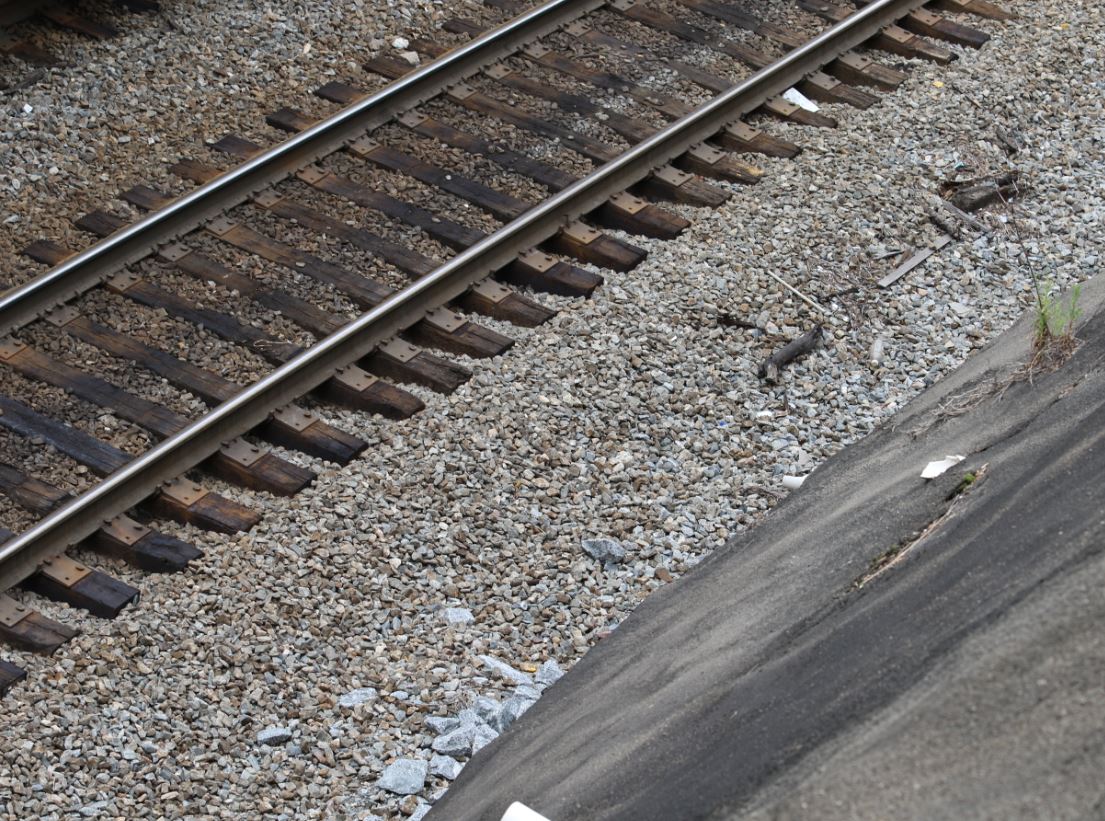
Burundi has embarked on a historic milestone with the launch of its first-ever railway project, a transformative undertaking expected to reshape the country’s economic and regional integration prospects. President Évariste Ndayishimiye officially laid the foundation stone last week, in a ceremony also attended by Tanzanian Prime Minister Kassim Majaliwa, marking the beginning of a multi-million-dollar venture that will establish a standard gauge railway connecting Burundi with neighboring Tanzania.
The 282-kilometre (175-mile) line, starting in Musongati,160 kilometres southeast of Bujumbura will eventually form part of the Central Corridor, a strategic trade route designed to link landlocked economies in the Great Lakes region with Tanzania’s Port of Dar es Salaam. Burundi, one of the poorest countries in the world with most citizens living below the international poverty line, views the project as a foundation for long-term growth.
Railway’s significance
Regional stakeholders, including Central Corridor Executive Secretary Flory Okendju, have emphasized the railway’s significance in reducing transport costs, eliminating delays, and creating a more efficient logistics network. Construction is projected to take six years, with plans for future extensions toward Uvira and Kindu in eastern Democratic Republic of Congo, where feasibility studies are underway and expected to conclude by May 2026.
For Burundi, the project carries enormous potential beyond trade facilitation. President Ndayishimiye highlighted that the railway will finally allow the country to exploit its vast untapped reserves of nickel, iron, and platinum, resources that have long remained stranded due to inadequate transport infrastructure. He described the railway as “the beginning of a robust development for Burundi,” noting that it could save the cash-strapped nation as much as $36 million each month in import and export logistics costs.
The $2.1 billion Burundian portion of the project will be financed through support from the African Development Bank (AfDB) and Tanzania’s CRDB Bank, underscoring regional and international commitment to building modern, interconnected rail infrastructure in East Africa.