
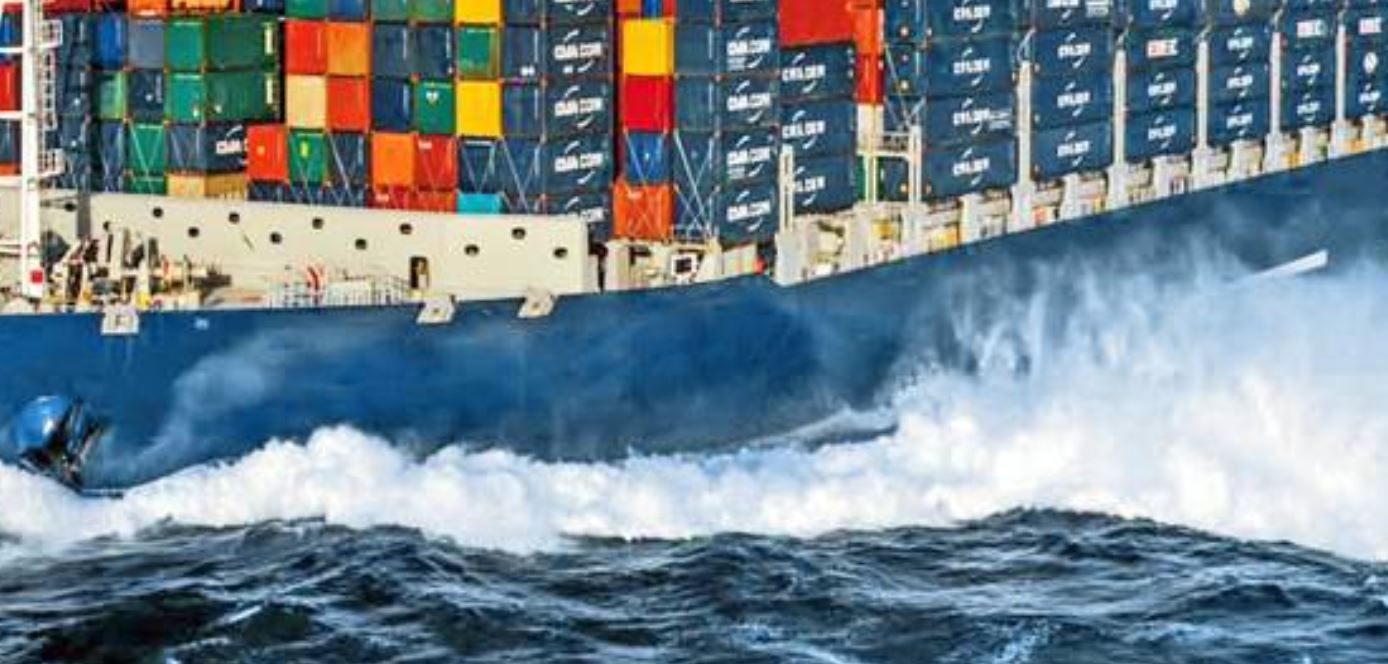
A new milestone in China-Africa trade relations was marked with the launch of the first direct ocean freight route connecting the Yangtze River basin in China to the African continent.
A cargo ship named Abisenshi, carrying over 2,700 Chinese-made vehicles and construction machinery, departed from Taicang Port in Suzhou, Jiangsu Province. The ship is en route to Durban in South Africa, with a scheduled stop in Lagos, Nigeria. This pioneering voyage officially inaugurated a direct roll-on/roll-off and container service that links one of China’s most industrialized regions directly with Africa, reducing the dependency on third-party ports and transshipment hubs.
Roll-on/roll-off and containerized shipping combination
This newly established route offers an efficient combination of roll-on/roll-off and containerized shipping, enabling the transport of both vehicles and cargo simultaneously. Each voyage can carry up to 3,000 vehicles and 500 TEUs of container goods. Operating once a month, the service is tailored to meet the growing logistics demands of automakers, heavy machinery manufacturers, and related suppliers in China looking to expand their footprint in Africa. It is a significant step forward in optimizing global supply chains and enhancing connectivity between China and African markets.
The Yangtze River basin, often referred to as China’s “golden waterway,” contributes to over 40 percent of the country’s GDP and serves as a critical inland shipping corridor. With this direct route in place, manufacturers and exporters located in inland provinces now have a more streamlined and cost-effective way to access African markets. The shift not only shortens transportation timelines but also reduces costs, thereby boosting the competitiveness of Chinese goods overseas.
This logistics advancement comes amid deepening trade ties between China and African nations under the Belt and Road Initiative. In the first quarter of 2025, vehicle exports from the Taicang Port area reached 147,600 units, showing an 18.35% increase compared to the previous year. Exports to Belt and Road countries made up nearly 40% of that total. Notably, exports to Africa have surged in sectors such as electric vehicles, textiles, and shipbuilding, indicating a growing appetite for Chinese products across the continent.
The introduction of this direct maritime route has strategic significance beyond trade volumes. It enhances industrial cooperation between China and Africa, particularly in areas such as infrastructure development and localized manufacturing. Chinese companies can now respond more swiftly to demands from African partners, whether for construction machinery for development projects or components for vehicle assembly plants. Furthermore, with initiatives such as overseas warehouses and localized production models, the collaboration between the two regions continues to evolve toward sustainability and mutual growth.
As global trade dynamics shift and international tariffs grow more complex, this route offers a reliable and secure channel for China’s exporters while delivering affordable and high-quality goods to African consumers. It is a vivid example of how improved logistics and infrastructure can serve as catalysts for economic cooperation, benefiting both Chinese enterprises and emerging African economies.