
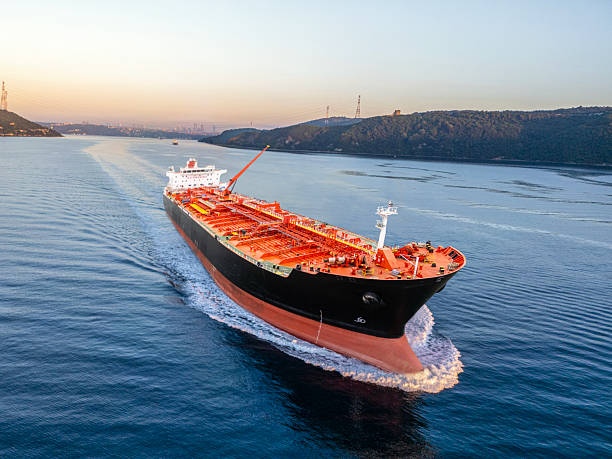
$3.5 million tanker shipments escalate fuel pressure
Global fuel markets are facing unprecedented pressure, and Africa’s import-dependent nations are feeling the heat. Dangote Petroleum Refinery’s CEO, David Bird, has warned: “Import-dependent countries are particularly vulnerable to rising freight costs, which have surged to $3.5 million per tanker shipment.”
This sharp increase, from roughly $800,000 to $3.5 million per shipment, comes amid geopolitical tensions in the Middle East and fluctuating crude oil prices. The impact is being felt across Africa, where several countries rely heavily on imported refined fuel to meet domestic demand.
In Nigeria, petrol and diesel prices have already been adjusted to reflect soaring shipping costs, placing additional strain on households and businesses.
The situation extends beyond Nigeria. Kenya, Ghana, and Zimbabwe, all reliant on fuel imports, are experiencing similar inflationary pressures, weaker currencies, and supply chain vulnerabilities.
Africa’s largest refinery, the Dangote Petroleum Refinery, has pledged to prioritize domestic fuel supply to reduce reliance on imports. Initiatives include sourcing crude locally in naira, which can lower costs linked to foreign exchange and shipping.
However, several global factors continue to elevate fuel prices. Global crude volatility: International oil prices remain unpredictable due to geopolitical tensions. Higher freight, insurance, and finance costs contribute directly to the cost of imported fuel.
Exposure to international market rates: Even with domestic sourcing, most crude is still purchased at international benchmarks.
Consumers are already feeling the effects, with petrol prices exceeding 1,000 naira per litre at many stations and some reporting rates above 1,200 naira.
Countries lacking sufficient domestic refining capacity face significant risks. Inflationary pressures increase transportation and living costs. Rising freight and insurance costs make imported fuel more expensive. Geopolitical tensions can disrupt shipping routes and fuel supply.
Dangote’s warning underscores the urgent need for strategic planning and investment in local refining capacity to mitigate the risks posed by global shipping and geopolitical instability.