
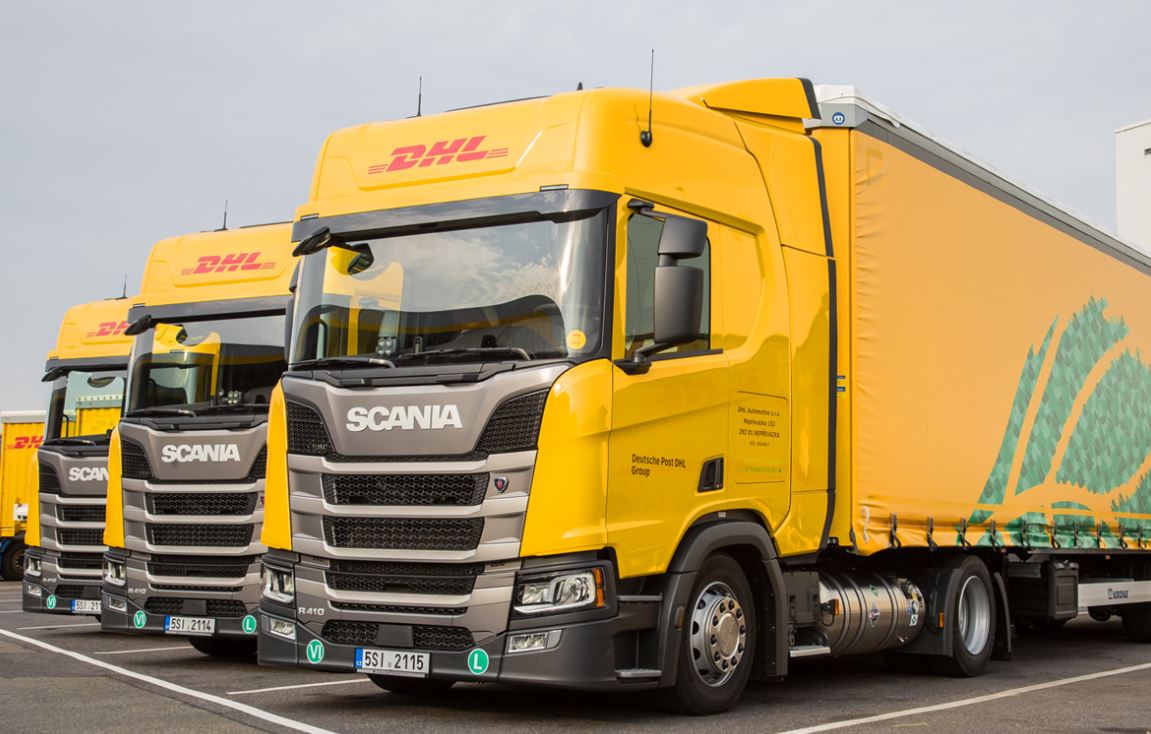
Scania and DHL Group have partnered to develop an Extended Range Electric Vehicle (EREV) designed to address the current challenges in electric road transport. The EREV is built to overcome issues such as limited charging infrastructure, high costs for charging capacity during peak periods, and grid strain during high-demand times.
By integrating a fuel-powered generator, the vehicle ensures consistent performance even when charging points are unavailable. This innovative solution enables DHL to operate largely on renewable electricity, with the generator providing backup energy when necessary.
EREV
The EREV is powered by a 230 kW electric engine supported by a 416 kWh battery and a 120 kW fuel-powered generator, which can initially run on gasoline and later be converted to diesel or hydrotreated vegetable oil (HVO). The vehicle has a maximum range of 650 to 800 kilometers, surpassing the 550-kilometer range of Scania’s latest fully electric trucks. It can carry around 1,000 parcels and tow an additional trailer, making it suitable for long-haul logistics. DHL plans to test the truck on routes between Berlin and Hamburg to evaluate its performance before expanding its fleet.
This initiative reflects a strategic effort by Scania and DHL to decarbonize freight transport while infrastructure for fully electric vehicles continues to develop. The vehicle is designed to reduce CO2 emissions by over 80%, offering a practical step toward sustainable logistics. Both companies emphasize the importance of supportive policies and incentives to encourage the adoption of such transitional solutions while building a more robust charging infrastructure.