
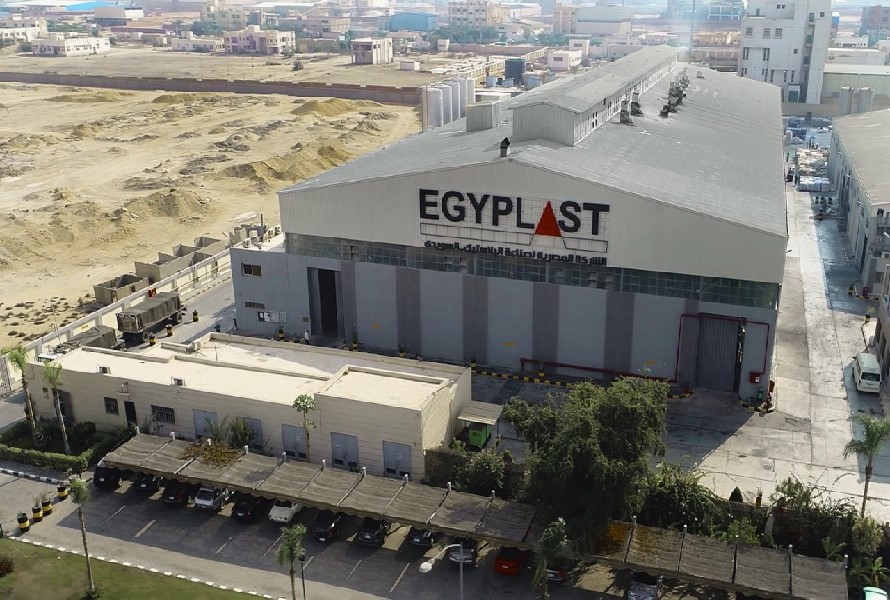
Stronger export volumes increase pressure on ports, transport, and trade corridors
Egypt’s plastics sector is emerging as a major driver of export-led logistics activity, recording growth of about 16% in recent months as manufacturing output and overseas shipments continue to rise.
The expansion is translating into higher cargo volumes moving through the country’s ports, inland transport networks, and export handling facilities.
Speaking at the opening of the 20th editions of the Plastics and EGYPlast exhibitions, Khaled Abou El-Makarem, Head of the Export Council for Chemicals and Fertilisers, highlighted the direct link between increased plastics production and outbound freight activity.
He noted that stronger manufacturing performance is placing added focus on Egypt’s logistics capacity as exporters seek reliable routes to regional and international markets.
Plastic product exports have reached approximately $2.4 billion, while total exports from the chemicals and fertilisers sector stand at about $9.5 billion.
These trade flows are supporting foreign currency inflows and increasing throughput requirements across export-orientated logistics corridors serving both nearby and overseas destinations.
Abou El-Makarem said the chemicals and fertilisers sector is a cornerstone of Egypt’s ambition to raise total exports to $145 billion in the coming years. Achieving this target, he noted, will require closer alignment between industrial output, customs procedures, and freight movement to maintain momentum in export growth.
He also pointed to Egypt’s trade agreements and investment climate as factors underpinning rising export volumes, with growing interest from international companies reinforcing the country’s position as a regional industrial hub.
This trajectory is expected to sustain demand for logistics services linked to plastics exports, including warehousing, port operations, and cross-border transport, as Egypt strengthens its role in regional and global supply chains.