
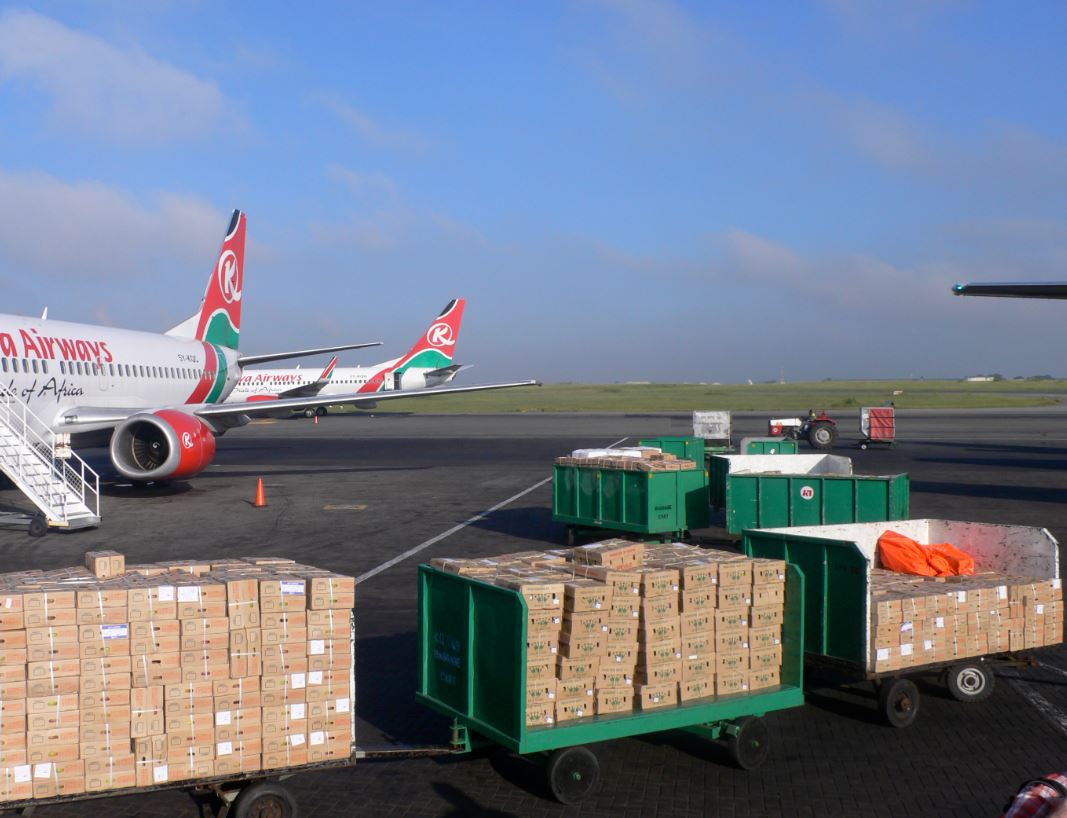
Kenya Airways is reinforcing its commitment to expanding its cargo operations by focusing on Boeing 737-800 freighters while also considering the future acquisition of widebody freighters. The airline previously highlighted the advantages of the 737-800F over its older 737-300Fs, particularly in terms of range, which enables network expansion.
During a panel discussion at Air Cargo Africa in Nairobi, Peter Musola, head of cargo commercial at Kenya Airways, emphasized that the airline is keen on maintaining consistent freighter capacity to support the growth of Africa’s air cargo sector. He also revealed that Kenya Airways has been in discussions with aircraft lessors to explore potential widebody freighter solutions.
Additionally, Musola highlighted the appeal of the ACMI (Aircraft, Crew, Maintenance, and Insurance) model, as it allows airlines to test operational feasibility before committing to substantial investments in aircraft.
Air cargo potential
Boeing’s market analysis regional director, Aaron Tayler, shared insights from Boeing’s World Air Cargo Forecast, which projects that African air cargo volumes will double in the next two decades. He estimated that the continent’s domestic market will require around 100 additional freighters, bringing the total to over 150 aircraft by the early 2040s. Tayler also pointed out that many existing freighters operating in Africa, including older 737 classics and even some 727s, are aging rapidly, necessitating fleet modernization.
Kenya Airways’ strategy of fleet renewal and potential expansion into widebody freighters reflects a broader industry shift toward efficiency and sustainability. Whether the airline will eventually acquire its own widebody freighters or continue to rely on leasing agreements remains an open question.