
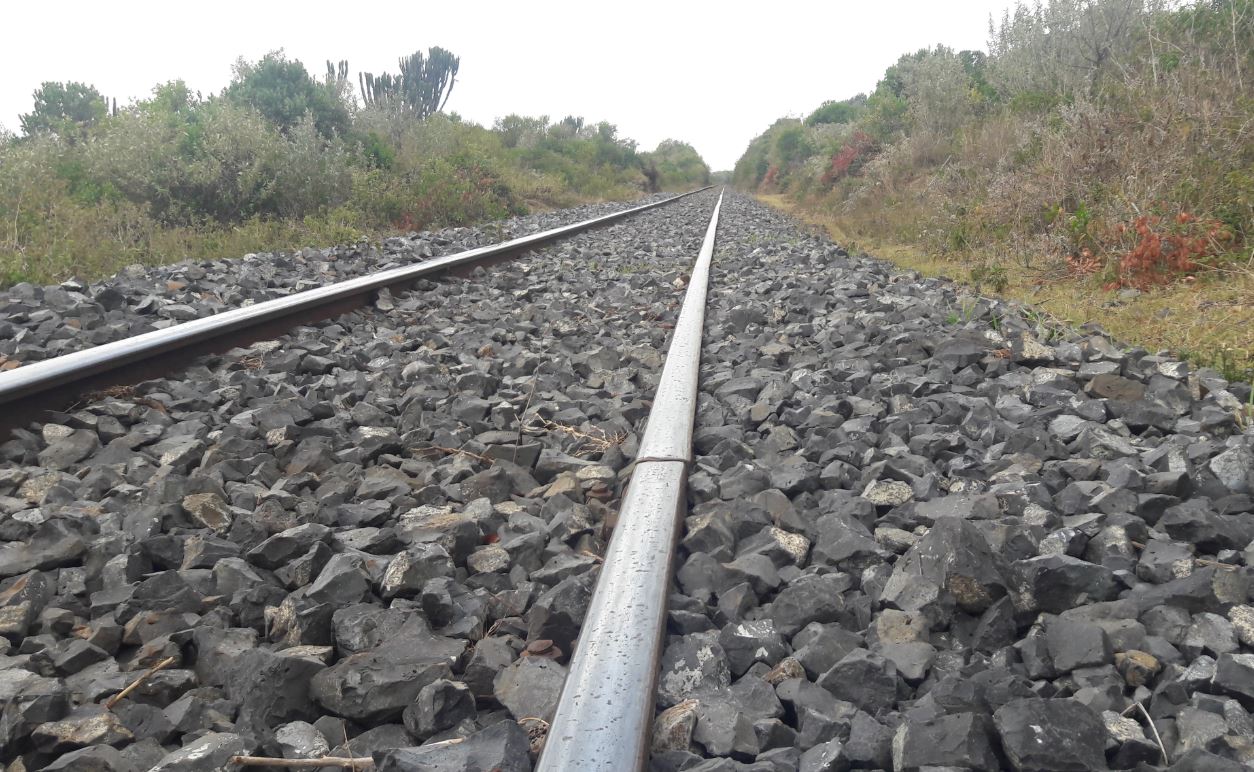
Kenya has successfully thwarted a US $2 bn compensation claim filed by Rift Valley Railways (RVR) at the London Court of International Arbitration (LCIA), marking a major legal victory for the country. The dispute stemmed from the collapse of a 25-year concession agreement awarded to RVR in 2006 to operate and manage the 2,350-kilometre Kenya-Uganda railway line.
The concession was terminated in 2017 by both Kenya and Uganda after the consortium failed to meet key contractual obligations, including paying concession fees, making adequate investments, and achieving agreed freight volumes.
Interface Agreement and Railways Concession Agreement
The arbitration case was initiated in 2020 by KU Railway Holdings Ltd (formerly Sheltam Rail Company Pty) and RVR Investments Ltd, who claimed that the Kenyan and Ugandan governments breached the Interface Agreement and the Railways Concession Agreement. The agreements had outlined terms for the construction, operation, and management of the regional railway system. The claimants were seeking $2.005 billion in damages for the alleged breach of contract following the termination of the concession.
According to a statement from Kenya’s Attorney-General, the LCIA ruled entirely in favor of Kenya, dismissing the $2 billion claim and awarding legal costs to the government. The ruling was welcomed as a victory for public accountability and legal integrity, protecting taxpayers from what would have been a significant financial burden. The Attorney-General emphasized that the outcome affirms Kenya’s commitment to lawful governance, the protection of public resources, and the preservation of international credibility.
The RVR concession had initially been promoted by the World Bank as part of a broader effort to revitalize railway infrastructure in East Africa through public-private partnerships (PPPs). However, the project struggled from the outset, with RVR repeatedly falling short of its performance targets. In 2017, Kenya Railways issued a 90-day termination notice due to unpaid fees and poor operational outcomes. Uganda followed suit, citing similar failures. RVR attempted to salvage the deal by proposing restructuring plans and seeking strategic investors, but these efforts were unsuccessful, ultimately leading to the legal challenge.
This legal win highlights the complexities of PPP arrangements in large-scale infrastructure projects and reinforces the need for strict oversight and accountability. It also sends a strong message that governments in the region will not hesitate to act decisively when private partners fail to deliver on their commitments.