
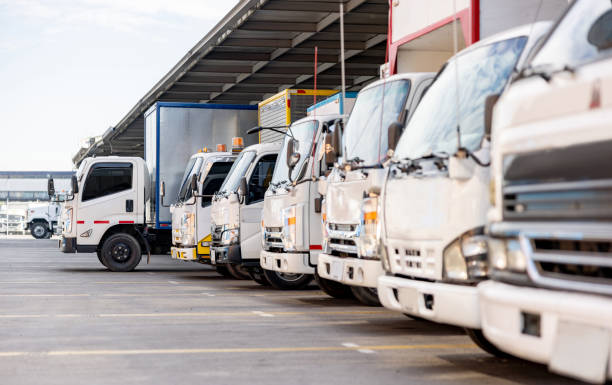
After years of strikes and protests, Diraro Logistics, Logita Logistics, and Nalindo reach a consent order with the All-Truck Drivers Forum, paving the way for calmer roads and smoother operations.
Three logistics companies in KwaZulu-Natal have stepped back from a heated legal fight against truck drivers accused of causing major disruptions to their operations, reaching a settlement that puts an end to their push for jail time over alleged rule breaking.
The Pietermaritzburg High Court approved a draft consent order between Diraro Logistics, Logita Logistics, Nalindo, and the All-Truck Drivers Forum and Allied South Africa, marking a key turning point in a dispute that has dragged on for years amid strikes and protests over jobs and working conditions.
This agreement comes as a relief to many in the road freight sector, where ongoing tensions have led to blocked roads, lost income, and safety fears for drivers and communities alike.
The deal highlights how talks can sometimes bridge deep divides in South Africa’s trucking industry, where drivers fight for fair treatment while companies push for smooth business.
For everyday people relying on goods moving across the country, it means fewer hold-ups and a step towards calmer roads, but it also raises questions about fixing the root problems that spark these clashes.
The Settlement in Court: What Happened
In a courtroom session that wrapped up the latest chapter of this saga, the three companies agreed to drop their bid to have union leaders locked up for contempt.
They had claimed the drivers ignored a court order from December last year that banned blockades at their sites and any threats to staff.
Instead of pushing for harsh penalties, both sides signed off on a consent order where the drivers promised to stick to the rules going forward.
This means no more roadblocks or intimidation, giving the companies a chance to get back to normal without more court drama.
The judge’s approval came after hearing from lawyers on both sides, who stressed the need for peace in an industry hit hard by disputes.
For the companies, this avoids a drawn-out trial that could cost time and money, while the union sees it as a win for keeping their members out of jail.
The agreement does not wipe away past issues but sets a clear line for the future, with possible fines or other steps if broken again.
This resolution follows months of back-and-forth, with the companies first going to court after feeling their businesses were under siege. They pointed to lost loads, scared workers, and damaged trucks as reasons for the tough stance. Now, with the deal in place, focus shifts to rebuilding trust and keeping goods flowing.
Background to the Dispute: Years of Strikes and Tensions
The roots of this legal battle go back to ongoing strikes by the All Truck Drivers Forum and Allied South Africa, a group fighting for better pay, safer jobs, and limits on hiring foreign drivers.
Last year’s big walkout saw drivers park trucks across major routes, stopping deliveries and causing backups that hurt shops and factories.
The union says many members face low wages, long hours, and unfair treatment, with some bosses cutting corners on safety or bringing in workers from other countries to keep costs down.
Protests turned rough at times, with reports of burning tyres, blocked highways, and clashes that left people hurt. In KwaZulu-Natal, key spots like the N3 highway – a lifeline for goods from Durban port to inland areas – saw major hold-ups.
Companies like Diraro, Logita, and Nalindo felt the pinch hardest, claiming drivers targeted their yards to force talks. This led to the December court order, meant to stop the chaos and let business resume.
But tensions did not die down. Earlier this year, the union threatened a national shutdown over similar gripes, only to call it off after government chats.
These actions stem from deeper woes in the industry: over 100,000 truck drivers in the country, many earning below living wages while facing risks like hijackings and breakdowns on bad roads.
Foreign hiring has been a flashpoint too. The union argues it takes jobs from locals, while bosses say skills shortages force their hand. Government has stepped in with checks on permits, but strikes keep popping up, costing the economy billions in lost trade each time.
A Separate Twist: Unfair Dismissal Claims
Adding to the mix, 17 drivers from one of the companies are now looking at their next moves after claiming they were fired unfairly earlier this week.
They say the sackings came without proper reasons or hearings, possibly tied to the ongoing disputes. This separate issue could head to labour court if talks fail, keeping the spotlight on worker rights in logistics.
For these drivers, it is about more than a job – it is their way to feed families in a tough economy where unemployment sits over 30%.
Unions like the All Truck Drivers Forum have vowed support, urging fair play and warning that ignoring these claims could spark more unrest. Companies, meanwhile, stress they follow labour laws, but details on this case are still unfolding.
Impact on South Africa’s Logistics Sector
The trucking world in South Africa moves over 80% of the country’s goods, making it a backbone for shops, farms, and factories.
When strikes hit, prices go up for basics like food and fuel, hurting everyday people hardest. Last year’s actions alone delayed millions in deliveries, with some firms losing contracts or closing shops temporarily.
This settlement could ease some pressure, letting trucks roll without fear of blocks. But experts say real fixes need bigger talks on pay, safety gear, and training to stop foreign hiring fights.
Government has promised a road freight plan to sort these out, including better roads and tech to track loads safer. For communities near depots, fewer protests mean quieter streets and less worry about violence spilling over.
Drivers hope the deal opens doors for better deals, while bosses want steady work without disruptions.
As the dust settles on this court bid, both sides seem ready to move on. The All-Truck Drivers Forum has committed to peaceful ways forward, while the company’s focus on getting back to business.
If this holds, it could set an example for other disputes in the sector, showing talks beat courtrooms. But with tensions still simmering, eyes are on whether this peace lasts.
For South Africa’s economy, a smooth-running logistics chain is key to growth and jobs. In the end, this withdrawal offers a breather, but true progress needs everyone at the table, working for a fairer road ahead.