
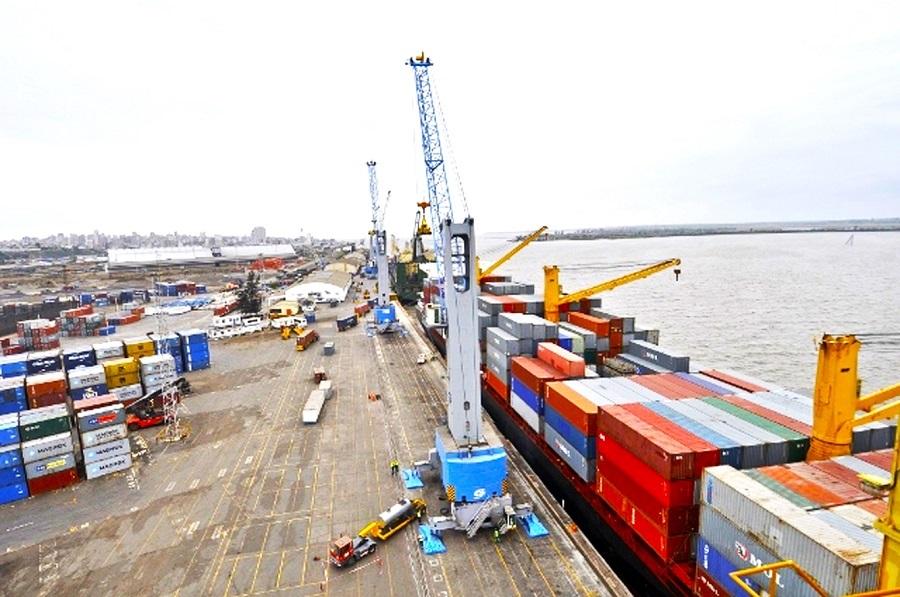
Mozambique’s capital port has achieved a historic milestone, recording its highest-ever cargo throughput in 2025 and reinforcing its status as one of Southern Africa’s most strategic logistics gateways. Despite political unrest that disrupted operations early in the year, the Port of Maputo demonstrated resilience, efficiency, and long-term vision.
Resilience, rail growth and strategic investment drive port success
In 2025, the port handled 32 million tonnes of cargo, a 3.4% increase from the 30.9 million tonnes processed in 2024. The achievement is particularly notable given the instability experienced in January and February when political unrest nearly brought border operations to a halt.
According to Osório Lucas, chief executive officer of the Maputo Port Development Company (MPDC), the performance surpassed expectations under the circumstances.
“We were very hesitant to make any forecasts at the start of 2025,” Lucas told Freight News.
“The fact that we achieved this performance reinforces the Port’s position as a key regional logistics hub and reflects the resilience and efficiency of the integrated port and corridor system.”
MPDC’s direct operations also reached a new peak, handling 15.2 million tonnes, representing a 6.4% year-on-year increase. The company credited the growth to continued investment in infrastructure, digital systems, skills development, and operational efficiency across both terminal and landside activities.
Rail-borne cargo recorded particularly strong growth, increasing by 17% from 9.7 million tonnes in 2024 to 11.7 million tonnes in 2025. This performance highlights ongoing progress in shifting freight from road to rail and strengthening hinterland connectivity, which remains central to the port’s long-term sustainability and corridor strategy.
Lucas said MPDC further strengthened its contribution to Mozambique through concession fees, which rose to $48.9 million in 2025 from $46.8 million the previous year. The figure excludes additional fiscal contributions to government, including taxes and dividends paid to CFM, Mozambique’s state-owned rail authority.
“January and February were extremely challenging, with unrest bringing border operations close to a standstill,” he said.
“What made the difference was the ability of the port and the wider corridor to respond. Investments in digital systems, training, and productivity, together with much closer integration with CFM, have significantly improved turnaround times and overall reliability.”
Looking ahead, Lucas said continued investment at the port is expected. The Kanyaka Island pier bridge is scheduled for completion in March and is expected to deliver significant economic benefits by improving access, mobility, and logistical integration for the island community.
At the same time, the expansion of the bulk terminal to 16 million tonnes and the ongoing expansion of the DP World container terminal to 530,000 TEUs are continuing.
“Sustaining this growth will depend on continued integration between rail, road, and port operations. Efficiency at the port alone is no longer enough, the competitiveness of the entire corridor is what ultimately determines success.”