
Oil supply disruptions and global market uncertainty could soon push fuel prices higher and place added pressure on South Africa’s economy.
However, the country will feel the vibrations of the conflict in different ways.
Escalating tensions in the Middle East are beginning to ripple through global energy markets, and South Africa is unlikely to remain insulated from the consequences. Although the country lies thousands of kilometres from the conflict zone, its economy is closely tied to global oil supply chains, meaning disruptions abroad can quickly translate into local challenges.
With the production and shipping of oil now substantially affected, alarm bells are already ringing in the energy sector. Any disturbance to oil supply routes or production levels tends to trigger volatility in global markets, and South Africa, which relies heavily on imported crude oil, is particularly vulnerable to these shocks.
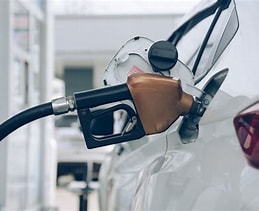
Following this month’s fuel price increase, the cost to fill up your vehicle is expected to rise significantly more in April. For motorists and businesses alike, higher fuel prices could place additional pressure on already stretched household and operational budgets.
However, the consequences extend far beyond the fuel pump.
Experts warn that the situation in the Middle East could ripple across the wider economy. Higher fuel prices often lead to increased transport and logistics costs, which can move through supply chains and ultimately push up the prices of goods and services.
Economist Abedian warns that prolonged uncertainty could derail things further. Continued instability in the region could deepen volatility in global energy markets and sustain pressure on oil supplies.
As South Africans are warned to brace for impact, there are also lessons for the future. Analysts say the situation highlights the importance of strengthening energy security, diversifying supply sources and accelerating investment in alternative and renewable energy systems to reduce reliance on imported fossil fuels.
On the ground, people are worried.
Rising costs are already a concern for many households navigating a difficult economic climate, and further fuel price increases could intensify financial strain.
As the echoes of worry grow louder, experts agree there is little South Africa can do practically to stop developments in the Middle East. What the country can do, however, is prepare for global disruptions by building a more resilient and diversified energy system capable of withstanding international shocks.
In an increasingly interconnected world, distant conflicts can quickly become domestic challenges. For South Africa, the unfolding situation in the Middle East is a stark reminder that global stability and energy security remain deeply intertwined.