
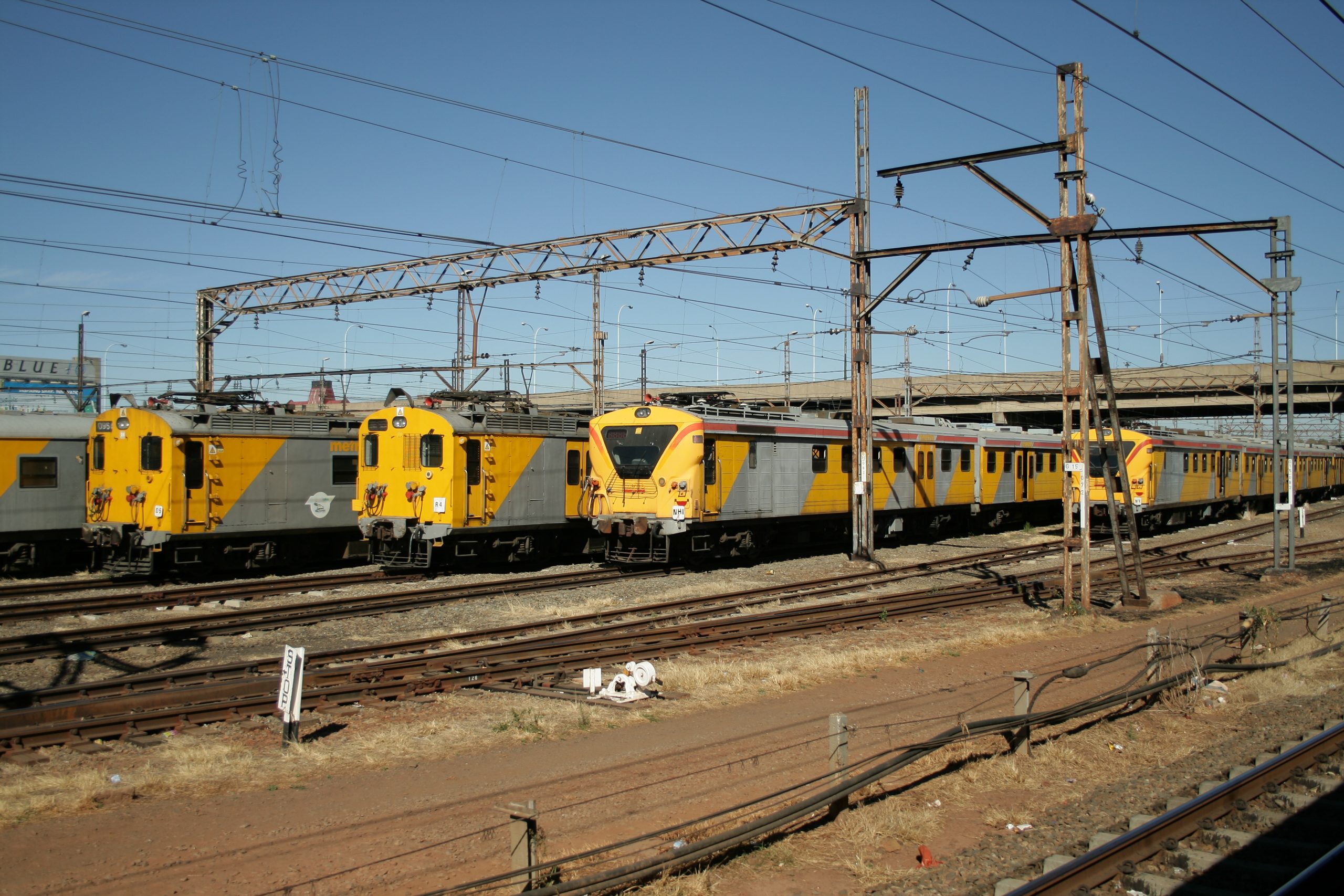
Calling it a “historic and necessary step towards a more efficient national logistics system for South Africa”, the Road Freight Association (RFA) welcomed the recent opening of the rail network to private train operators.
Eleven private train operating companies have been given the green light to engage Transnet for access to its rail network. They are set to start running on SA railways in the 2026/2027 financial year. These new entrants are expected to increase annual freight volumes from 160 million tons to 250 million tons over the next five years.
Kevin van der Merwe, acting CEO of the RFA, said the milestone demonstrates government commitment to structural reforms that could improve freight logistics.
“For a long time, the RFA has maintained that the country’s economic success is dependent on a well-integrated and collaborative freight logistics network. Both rail and road have critical roles to play in the efficient and cost-effective movement of freight in and through South Africa,” he said.
Van der Merwe added the development could “reduce congestion on our roads by returning rail-friendly freight back to rail, while ultimately reducing the cost of logistics in South Africa.”
The Democratic Alliance is however not as optimistic about these latest developments.
Dr Chris Hunsinger, DA spokesperson on transport, believes the awarding of “conditional slots across six major freight corridors is a step in the right direction, but it is not nearly enough”.
“Transnet is financially defunct, relying on treasury guarantees to survive, and instead of freeing our freight rail from this mismanaged burden, (Transport Minister Barbara Creecy) decided to protect Transnet’s place in managing rail operations.
“Creecy should have announced that Transnet will concession the operation of the rail network to private freight rail entities. This would allow private sector investment, efficient and competitive operations, new signalling systems and cutting out Transnet’s corruption and mismanagement.”
The 11 train operators have been given access to 41 routes and six corridors as follows:
- North Corridor: six new entrants, 15 routes for transportation of coal and chrome.
- Iron Ore Corridor: one new entrant, one route for transportation of iron ore.
- Cape Corridor: two new entrants, two routes for transportation of manganese.
- Northeast Corridor: six new entrants, 16 routes for transportation of coal, chrome, magnetite, fuel, containers.
- Central Corridor: one new entrant, two routes for transportation of coal, containers (manganese).
- Container Corridor: four new entrants, five routes for transportation of containers, coal, and sugar.