
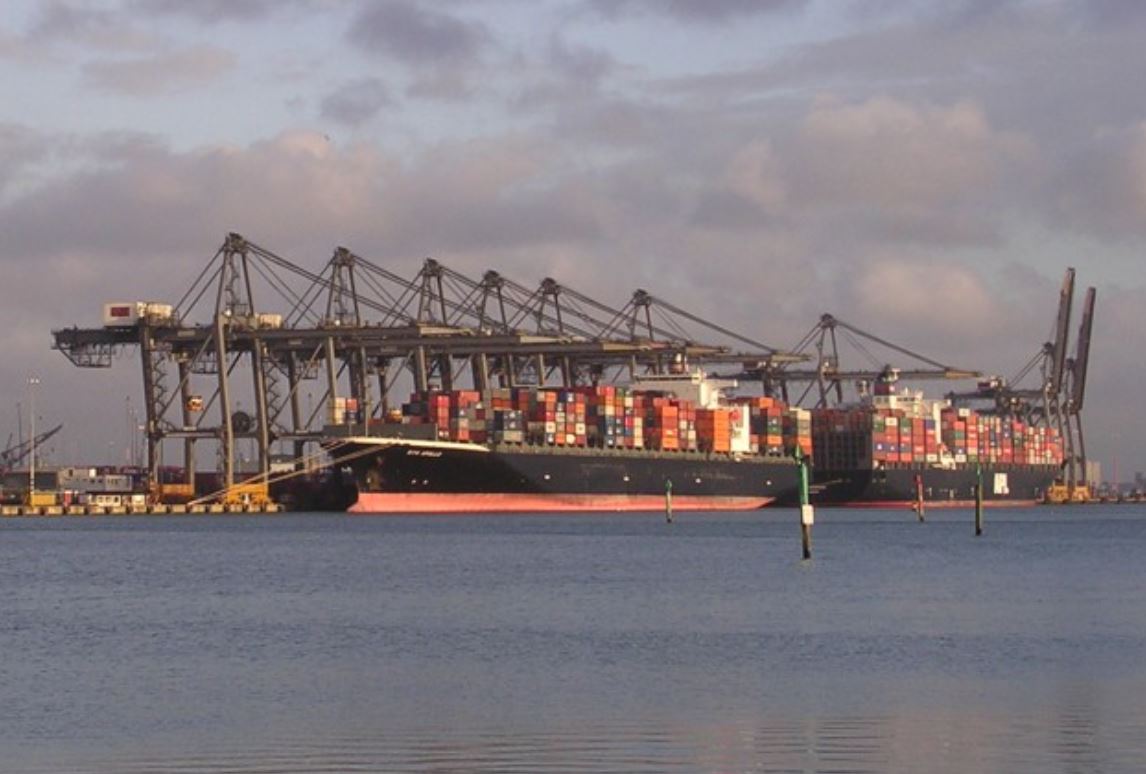
Morocco is set to develop of the Nador West Med port, a major infrastructure initiative modeled after the successful Tangier-Med complex. The first stage of the project, costing around €730 million, will focus on reclaiming land in an area with few environmental or social complications.
Authorities expect this initial phase to be ready between the end of 2026 and early 2027. Once operational, the port will feature a 4,200-meter main breakwater, a 1,440-meter quay, and a 60-hectare platform equipped with advanced cranes capable of handling up to 3.5 million containers annually, with provisions for future capacity increases.
Economic impact
Beyond container traffic, Nador West Med is designed to serve as a key energy hub, incorporating specialized terminals for hydrocarbons and coal. Its strategic positioning and operational model aim to attract shipping lines by offering significantly lower costs than nearby Spanish ports. An additional advantage is its exemption from the European Union’s Emissions Trading System (ETS) rules, which could help carriers avoid added carbon compliance expenses.
To maximize its economic impact, an 8,000-hectare free trade zone will be developed adjacent to the port, echoing Tangier-Med’s integrated industrial approach. This zone is projected to create roughly 30,000 direct and indirect jobs. The European Bank for Reconstruction and Development, along with EU funding, is backing the project. Meanwhile, the Port of Algeciras one of its main competitors is speeding up its own expansion plans in anticipation of the increased competition for Mediterranean maritime traffic.