
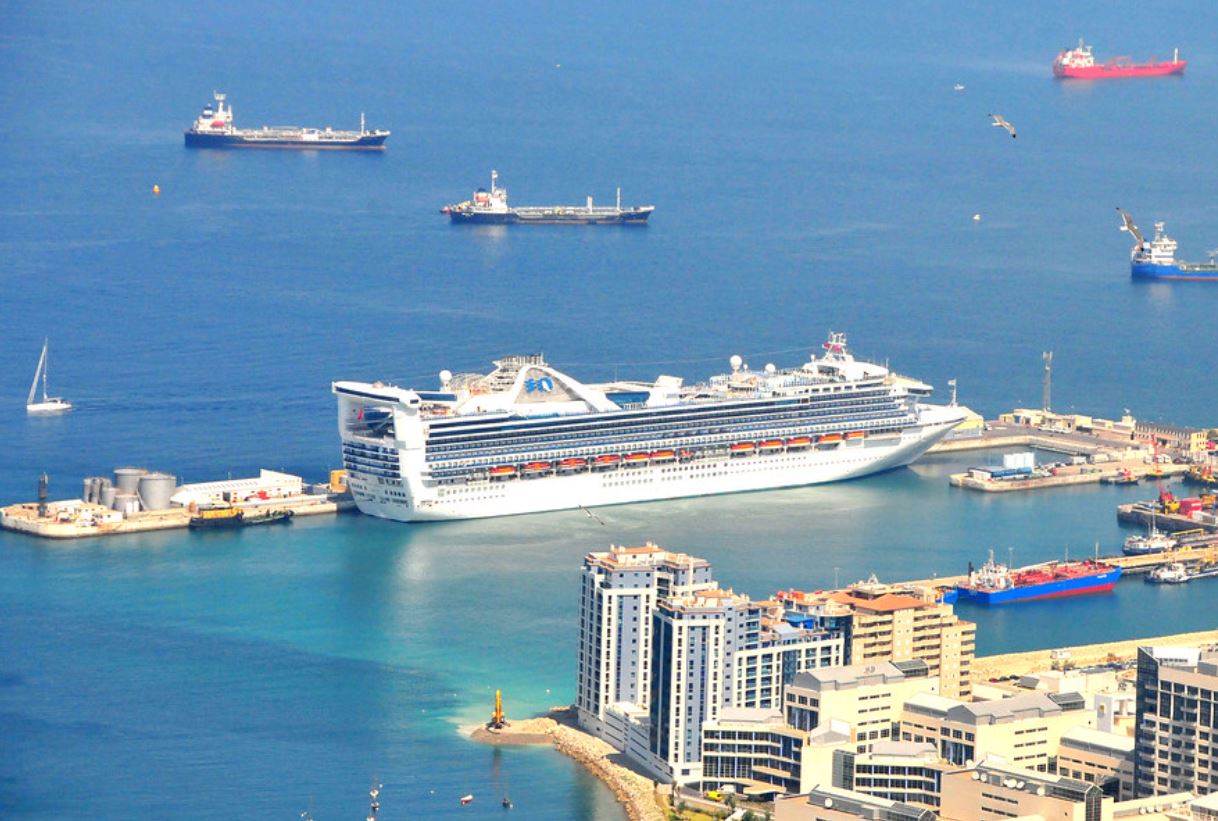
Mumbai has officially unveiled its first international cruise terminal at Mazgaon on the eastern waterfront of South Mumbai. The new terminal was inaugurated in a ceremony attended by the Union Minister for Ports, Shipping & Waterways, Sarbananda Sonowal. He was received at the Mumbai airport by Shri Sushilkumar Singh, IRSME, Chairperson of the Mumbai Port Authority (MbPA).
Features
Spanning more than 400,000 square feet, the terminal is designed to accommodate up to 500 cruise ships and one million passengers annually. This modern facility reflects the government’s broader efforts to strengthen tourism, both domestic and international, by enhancing infrastructure and connectivity through sea routes.
The cruise terminal features three levels, with the ground and first floors dedicated to processing cruise passengers, including customs and immigration services. The second and third floors, comprising about 200,000 square feet, are earmarked for commercial leasing. Officials expect the commercial components to generate returns over a period of 15 to 20 years.
To manage the terminal, a private operator has been appointed by MbPA under a 30-year contract. As part of the agreement, the operator has deposited some funds as security and will pay an annual lease subject to a 5% yearly escalation.
Currently, Mumbai sees around 50 international cruise ships arriving annually. This number is projected to rise significantly with the new terminal, which is also expected to greatly boost cruise tourism among Indian travelers. At present, around 300,000 Indians travel by cruise each year, and the new terminal is anticipated to expand international cruising options for them.
The Mumbai Port Authority, previously known as the Bombay Port Trust, operates under the Ministry of Ports, Shipping and Waterways. It remains a vital hub on India’s western coast, handling both cargo and passenger movement. With this new development, MbPA aims to turn Mumbai into a premier cruise destination, increasing international tourist inflow and reinforcing the city’s status as a global gateway.