
Cross River State has launched the development of a Special Agro-Industrial Processing Zone (SAPZ), a strategic initiative aimed at transforming the state into a major agricultural hub.
This project is part of a broader national effort to enhance food production, reduce reliance on imports, and strengthen Nigeria’s agricultural value chains. With support from the African Development Bank (AfDB) and other international partners, the SAPZ seeks to harness the state’s natural resources and strategic location to boost agro-processing and trade, especially in crops like cocoa and cassava.
Cross Rivers agro-industrial zone project
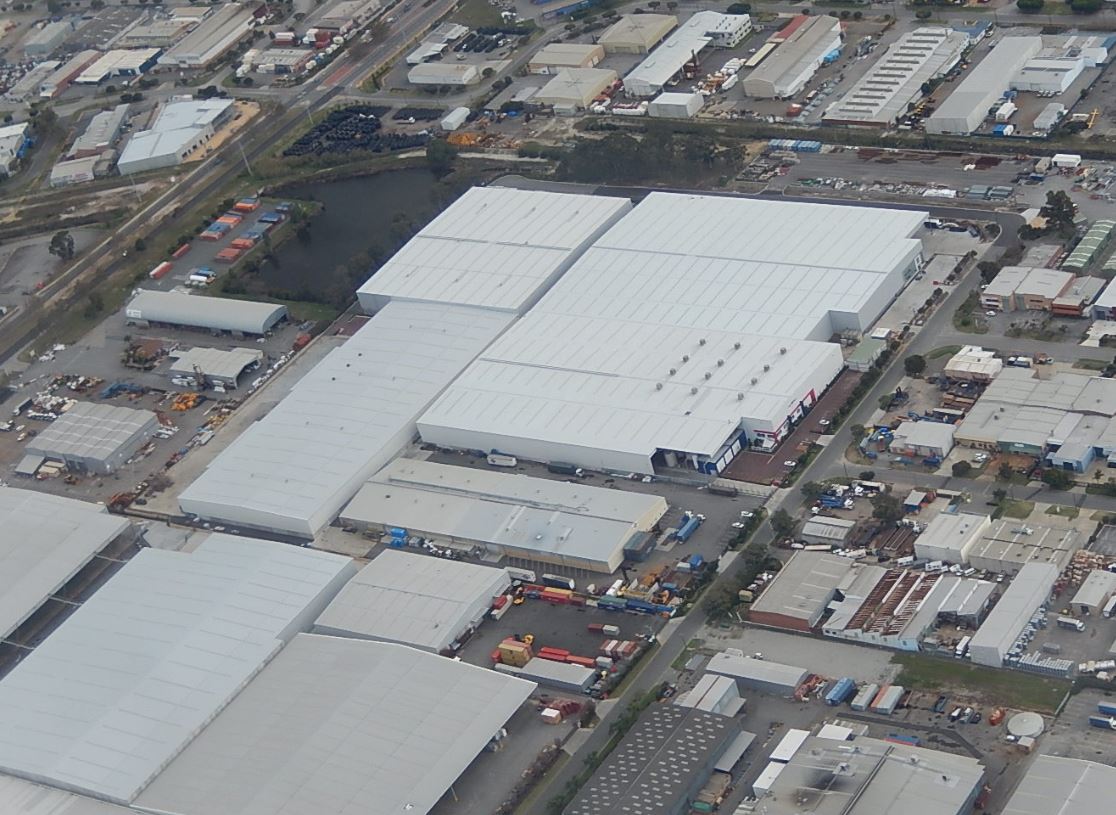
The Agro-Industrial Hub is situated on a 130-hectare site in Adiabo, where it will benefit from proximity to the ports of Calabar and Bakassi. The hub will be powered by infrastructure such as the Tinapa 23 kVA and Calabar 630 kVA power plants, ensuring consistent energy supply to processing facilities. Additionally, the presence of institutions like the University of Calabar and the Cocoa Research Institute of Nigeria provides strong research and development backing to the initiative. This strategic setup aims to improve productivity and ensure that processed agricultural products meet global standards for export.
The Cross River SAPZ is one of several under the first phase of Nigeria’s US$538 million SAPZ programme, which also includes projects in Kaduna, Kano, Kwara, Imo, Ogun, Oyo, and the Federal Capital Territory. The programme is designed to stimulate rural economies, create jobs, and promote inclusive growth through modern agricultural practices and industrialisation. With the AfDB investing nearly US$1 billion in SAPZs across 11 African countries, this project places Nigeria at the forefront of continental efforts to turn agriculture into a thriving business sector.
Vice President Kashim Shettima highlighted the national importance of the SAPZ initiative, urging collaboration between government, development partners, the private sector, and local communities to ensure its success. AfDB President Dr. Akinwumi Adesina also emphasized the economic potential of Cross River, pointing to the Bakassi deep seaport as a future trade gateway for the Gulf of Guinea region. Governor Bassey Otu expressed confidence that the project would support smallholder farmers, stimulate exports, and significantly contribute to Cross River’s GDP through the cultivation and processing of high-value crops like rice, millet, and oil palm.