
Russia and Nigeria are entering a new phase of their relationship, with growing cooperation in trade, defense, and financial systems. A standout development is the upcoming launch of a regular shipping line between Novorossiysk, a key Russian port on the Black Sea, and Lagos, Nigeria’s commercial hub.
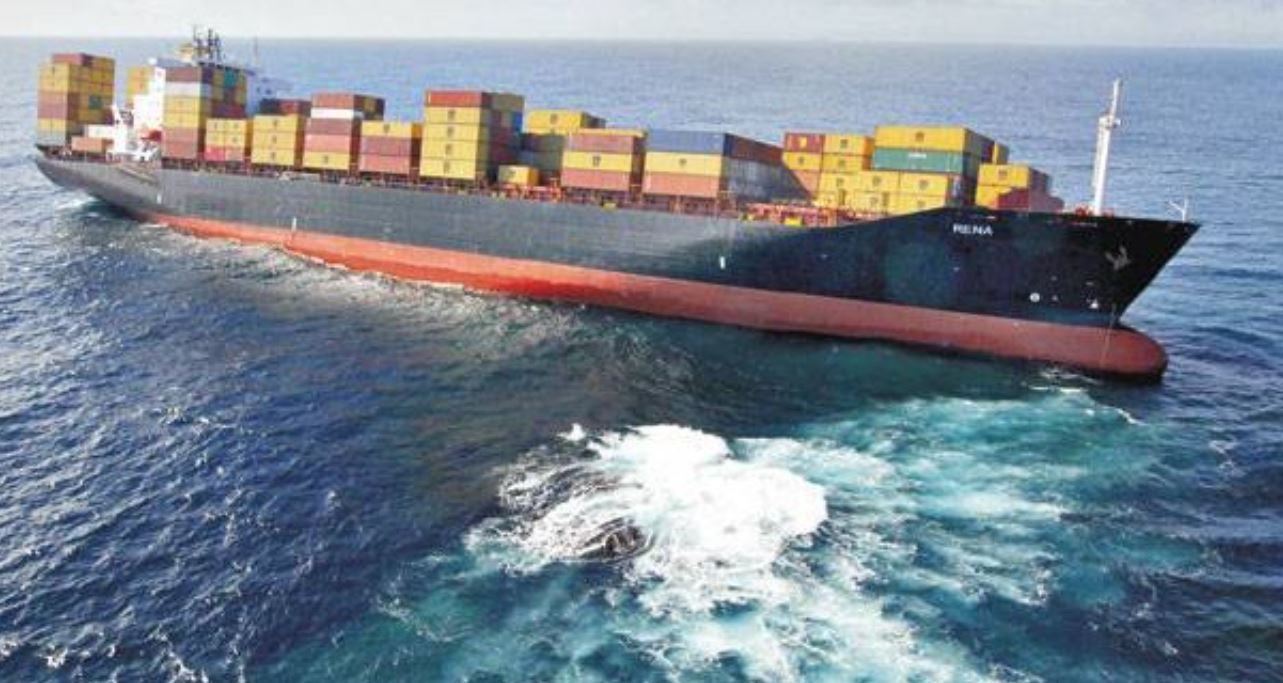
Scheduled to begin operations in mid-June 2025, the route will be managed by A7 African Cargo Line and initially served by two 700-TEU container vessels. This move is set to enhance the flow of goods between the two nations, particularly Russian exports of agricultural products, machinery, and transport equipment to Nigeria.
Economic growth
In return, the shipping line will also support Russia’s import of cotton from Mali, a neighboring West African country with a significant annual cotton yield. This highlights how regional trade dynamics are being woven into bilateral agreements, extending the benefits beyond Nigeria. Future plans suggest the route could be expanded to include other West African countries like Senegal, indicating a broader Russian interest in the region’s economic potential.
In addition, military cooperation is also gaining momentum. Senior defense officials from both countries, including Russia’s Deputy Defense Minister and Nigeria’s Chief of Defense Staff, met to discuss the extension of their existing defense partnership. This collaboration, rooted in a 2021 agreement, involves the provision of military training, logistical support, and equipment to strengthen Nigeria’s security forces.
Financial ties between the two nations are becoming stronger as well. In February 2025, Russia included Nigeria in its list of countries eligible for currency trading within its domestic banking system. This move, which also extended to Tunisia and Ethiopia, is part of a larger effort by Moscow to deepen financial links with African nations and reduce dependency on Western financial networks.