
Qatar has joined the United Arab Emirates in saying it will pay for the hotels and meals of passengers who are stuck in the country due to airspace closures.
As regional tensions continue to disrupt aviation across the Gulf, authorities in both countries have moved swiftly to shield stranded travellers from unexpected accommodation and food expenses.
The General Civil Aviation Authority of the UAE announced on 1 March that the state is “bearing all hosting and accommodation costs for affected and stranded passengers”.
“In light of the current circumstances and given that some guests have reached their check out date but are unable to travel for reasons beyond their control, you are kindly requested to extend their stay until they are able to depart,” a circular issued to hotels from the Department of Culture and Tourism – Abu Dhabi said.
“The cost of the extended stay will be covered by DCT Abu Dhabi.”
The Dubai Department of Economy and Tourism also contacted hotels to “support affected guests by facilitating extensions to stays under existing booking conditions”.
“Dubai has a strong and proven track record of managing periods of global disruption with agility and coordination, consistently prioritising care of citizens, residents and visitors, while maintaining world class service standards,” a spokesperson for DET said.
“This integrated approach across government and private sector partners enables the city to respond quickly and effectively.”
Thousands impacted across the region
Around 20,200 passengers have been affected by the cancelling or rescheduling of flights in the UAE alone.
In Qatar, Qatar Tourism issued a circular on 2 March requesting that hotels extend stays for those who cannot leave due to the airspace closures. Around 8,000 transit passengers have been affected.
The authority added that it will “cover the additional costs incurred, as the safety, security and wellbeing of all visitors remain among our highest priorities”.
Operations at Hamad International Airport have been suspended, with passengers advised not to travel to the airport until further notice.
Airlines suspend operations
Airlines across the region have issued updated travel advisories as governments temporarily close airspace.
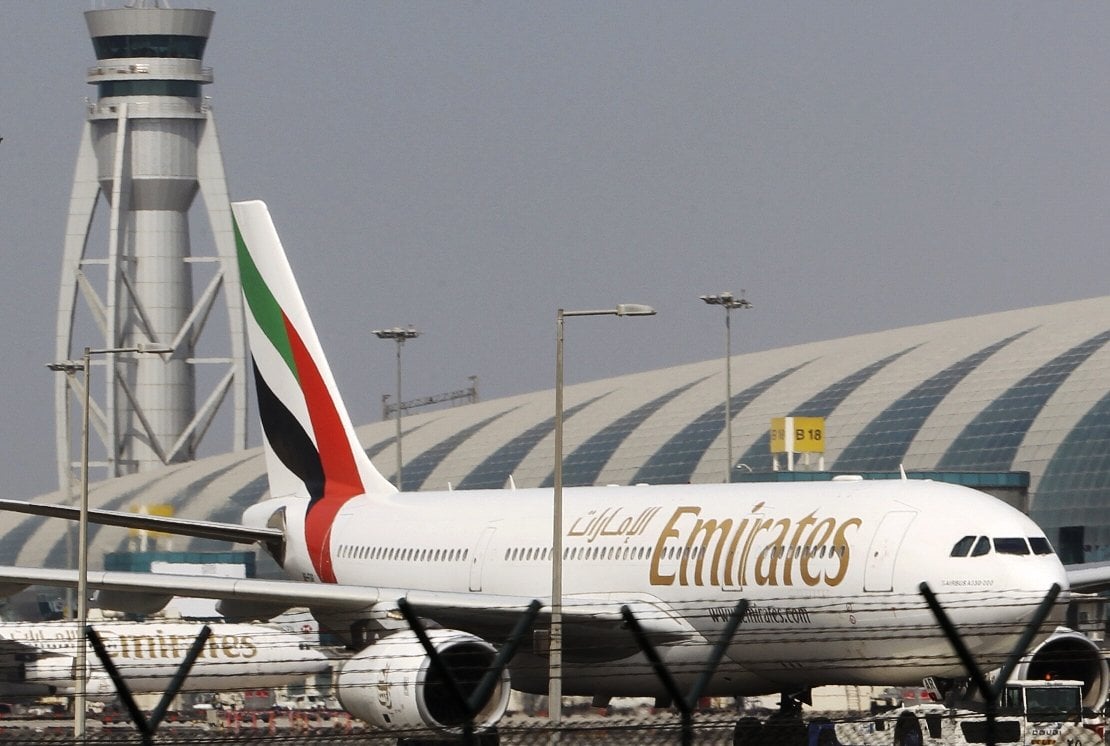
Etihad Airways has said commercial flights to and from Abu Dhabi are suspended until 2 pm local time on 5 March, while Emirates has extended its suspension until 11.59 pm local time on 4 March. Both airlines are contacting customers directly and have urged passengers not to travel to the airport unless notified.
Qatar Airways confirmed that it will provide a further operational update on 6 March by 9 am local time.
Elsewhere in the Gulf, Kuwait has closed its airspace after Terminal One of Kuwait International Airport was struck by a drone on 28 February, injuring nine workers. The Public Authority for Civil Aviation said damage assessments are under way to restore operations as soon as possible.
Oman Air has cancelled flights to and from Amman, Dubai, Bahrain, Doha, Dammam, Kuwait, Copenhagen, Baghdad and Khasab until 7 March, while Saudia has suspended services to and from multiple regional destinations until late on 4 March.
Coordinated crisis response
Despite the widespread disruption, Gulf authorities are emphasising coordination and traveller welfare. Exceptional flights are being arranged in the UAE to assist with departures where possible, while hotels across Dubai, Abu Dhabi and Doha are extending stays under government directives.
The decision by Qatar and the UAE to absorb accommodation and meal costs marks a significant intervention, ensuring that stranded passengers are supported during a period of uncertainty and regional instability.
With more than 28,000 travellers affected across the UAE and Qatar, further airline updates and airspace announcements in the coming days will be critical in determining when normal flight operations can safely resume.