
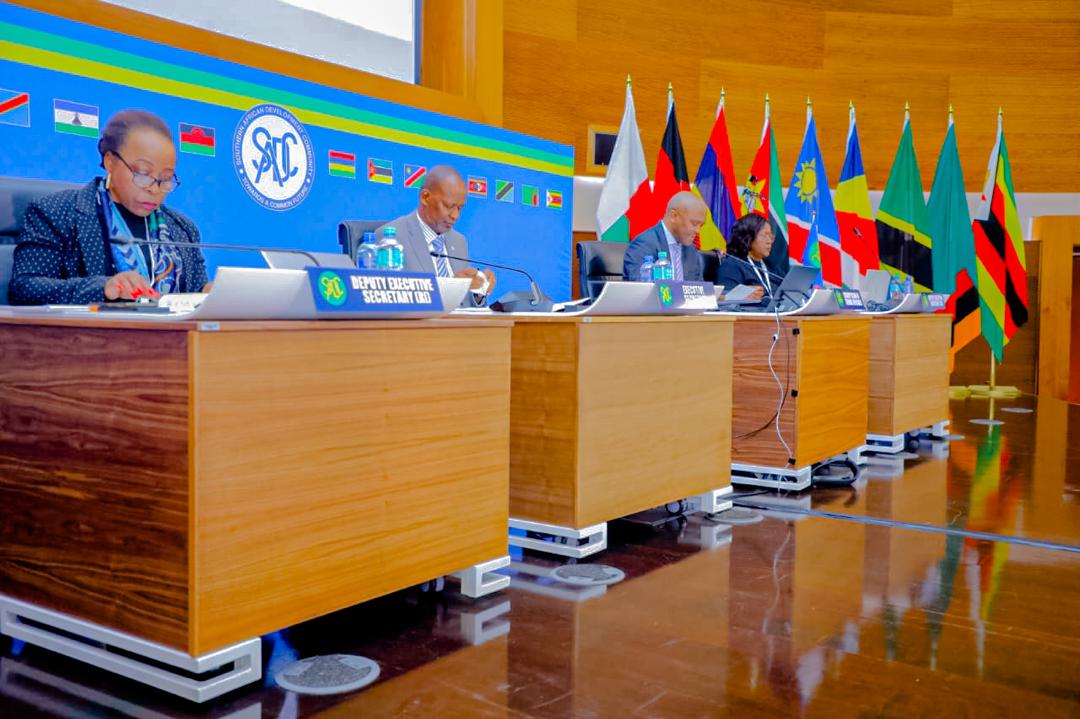
Regional meeting in Pretoria focuses on improving trade, food security and logistics across Southern Africa
Senior officials from across the Southern African Development Community (SADC) gathered in Pretoria this weekend to address some of the region’s most pressing economic and development challenges, including trade barriers, food security concerns and infrastructure constraints.
The high-level meeting of the SADC Standing Committee of Senior Officials took place on Saturday, March 7, bringing together policymakers and government representatives working to accelerate regional integration and economic growth throughout Southern Africa.
Opening the session, Ambassador Tebogo Seokolo, Deputy Director-General for the Africa Branch at South Africa’s Department of International Relations and Cooperation and Chairperson of the Committee, urged delegates to confront difficult realities affecting the region’s development progress.
The meeting is being held under the theme “Advancing Industrialisation, Agricultural Transformation and Energy Transition for a Resilient SADC,” reflecting the region’s focus on strengthening industries, improving agricultural productivity and supporting sustainable energy systems.
Officials emphasised the importance of turning policy commitments into real outcomes that improve people’s lives across member states. They noted that successful implementation of regional agreements depends on effective governance, clear policy frameworks and sustainable financing.
Key agenda items include the financial position of the regional bloc, the Resource Mobilisation Framework and the operationalisation of the SADC Regional Development Fund, which is expected to support priority development projects across the region.
Delegates are also reviewing progress on decisions taken by the SADC Council of Ministers and the SADC Summit. Discussions are focusing on food and nutrition security, disaster risk management and pandemic preparedness.
Another important part of the meeting is the Mid-Term Review of the Regional Indicative Strategic Development Plan, which guides SADC’s development priorities between 2020 and 2030. Officials are working to identify high-impact regional priorities that can unlock economic growth, strengthen climate resilience and improve infrastructure connectivity. A technical workshop scheduled for June will further refine these plans.
Despite ongoing efforts, officials acknowledged that several challenges continue to slow regional development. These include low levels of intra-regional trade, limited manufacturing capacity and logistical bottlenecks that delay the movement of goods across borders.
One example raised during the discussions was the lengthy transit time for goods travelling between major regional trade hubs.
“These are very uncomfortable questions, but leadership is about discomfort. If we are to realise the aspirations of regional integration, we must move faster, work smarter together, and ensure our decisions translate into tangible improvements for the people of our region,” Seokolo said.
According to the discussions, intra-regional trade within SADC currently stands at 23%, while manufacturing contributes only 11% to the region’s GDP. Logistics challenges also remain significant, with goods taking 15 days and 22 hours to travel from the Port of Durban to the Kasumbalesa border.
Food insecurity continues to affect millions of people across the region, with an estimated 58 million facing food shortages due to climate shocks, economic pressures and supply chain disruptions.
The Standing Committee of Senior Officials is expected to present recommendations to the SADC Council of Ministers, which will meet in Pretoria next week to determine the next steps for advancing regional development initiatives.