
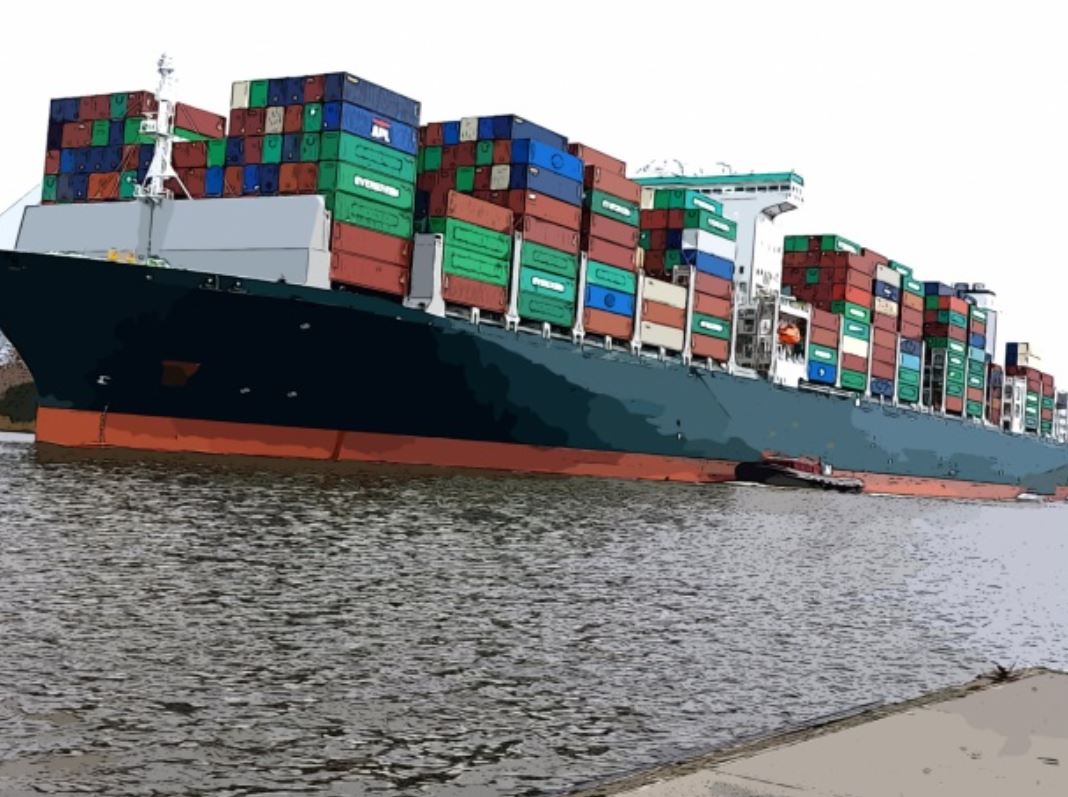
Samskip has introduced the Moroccan Reefer Service (MRS), a new weekly maritime route linking Agadir and Casablanca directly to Thamesport in the UK and Rotterdam in the Netherlands. The service, aimed primarily at Morocco’s fruit and vegetable exporters, offers one of the fastest door-to-door transit times in the market, providing a sustainable alternative to traditional ferry-and-road transport, which is often slower and more expensive.
The MRS uses 45-foot refrigerated containers that maintain product freshness while meeting road transport standards. Through Samskip’s extensive European network, cargo arriving in Rotterdam can be quickly transshipped to destinations such as Sweden, Norway, Finland, Poland, and the Baltic states, reaching customers within days. Shipments from Agadir to Ireland, for example, can be delivered in just six days.
Long-term partnership
Samskip has entered a long-term partnership with the Moroccan Fruit Board to back this initiative. According to Chief Business Officer Ólafur Orri Ólafsson, the company designed the service after consulting with industry stakeholders, with the goal of delivering a “faster, greener, and more reliable” solution. The new route is estimated to cut CO₂ emissions by up to 80% compared to full road transport.
By integrating customs formalities and inland delivery, the service streamlines logistics, enhances Moroccan exporters’ competitiveness, and supports the country’s role as a key fresh-produce export hub for Northern Europe. The direct shipping connection eliminates complex multi-modal arrangements, giving producers quicker, more efficient access to markets while meeting the growing demand for temperature-controlled logistics.