
Siemens Mobility is spearheading a transformative project to build Africa’s first continent-spanning high-speed rail network. The ambitious development will stretch over 1,243 miles (2,000 kilometers), linking 60 cities across multiple regions.
Scope of work
The initial phase, known as the Green Line, is underway in Egypt. This 410-mile (660 km) route will connect the Red Sea city of Ain Sokhna to the Mediterranean town of Marsa Matrouh, passing through major hubs like Cairo and Alexandria. The project aims to modernize regional transportation and boost economic integration.
Progress on the Green Line has been substantial. Key infrastructure developments include the laying of tracks, construction of train stations, and building of bridges. A major construction milestone has been achieved at the New Capital Station east of Cairo, where over 11 million cubic meters of soil have been excavated and 3.5 million cubic meters of backfill completed. Siemens Mobility is working alongside Orascom Construction and The Arab Contractors to deliver this groundbreaking initiative.
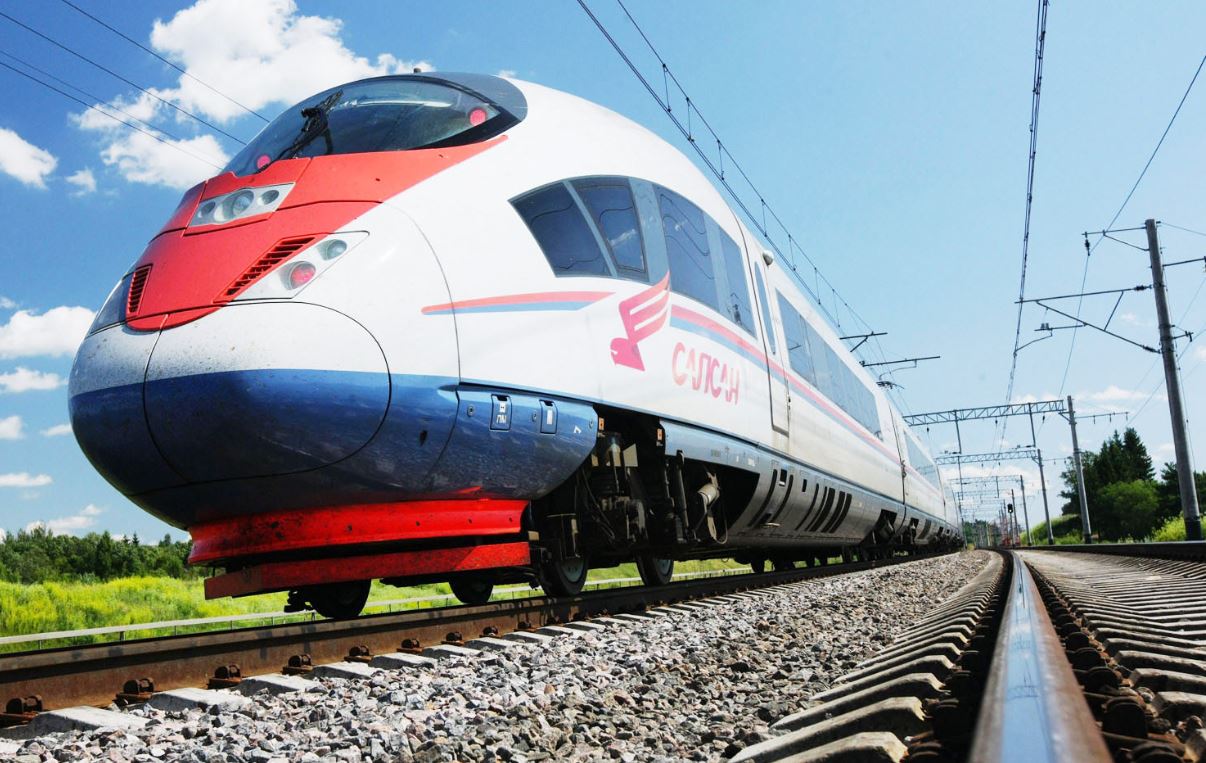
The trains set to operate on this new line are designed for both performance and comfort. Siemens’ Velaro high-speed trains, already in use in countries like Germany and Spain, have been customized to endure Egypt’s harsh desert environment. Each eight-car train is 200 meters long and can accommodate up to 481 passengers in standard, business, and dining compartments. Advanced filtration systems and sealed exterior gaps will help protect passengers from sand and dust, ensuring a clean and comfortable journey.
Beyond transportation, the project promises wide-reaching environmental and economic benefits. According to Siemens, the electric rail network will cut carbon emissions by 70% compared to current travel options. With over 1.4 million passengers using Egypt’s railways daily, this modern network will offer a safer, more efficient, and eco-friendly alternative. The railway is expected to support national development, improve mobility, and serve as a model for future infrastructure projects across Africa.