
South Africa is set to receive US $1.5 billion in funding from the World Bank to advance sweeping rail freight and energy sector reforms aimed at enhancing competitiveness and attracting private sector investment.
The loan is part of a broader development partnership between the South African government and the World Bank running through 2026. It will finance critical initiatives to modernize national infrastructure, expand market access, and support the country’s transition to a low-carbon economy.
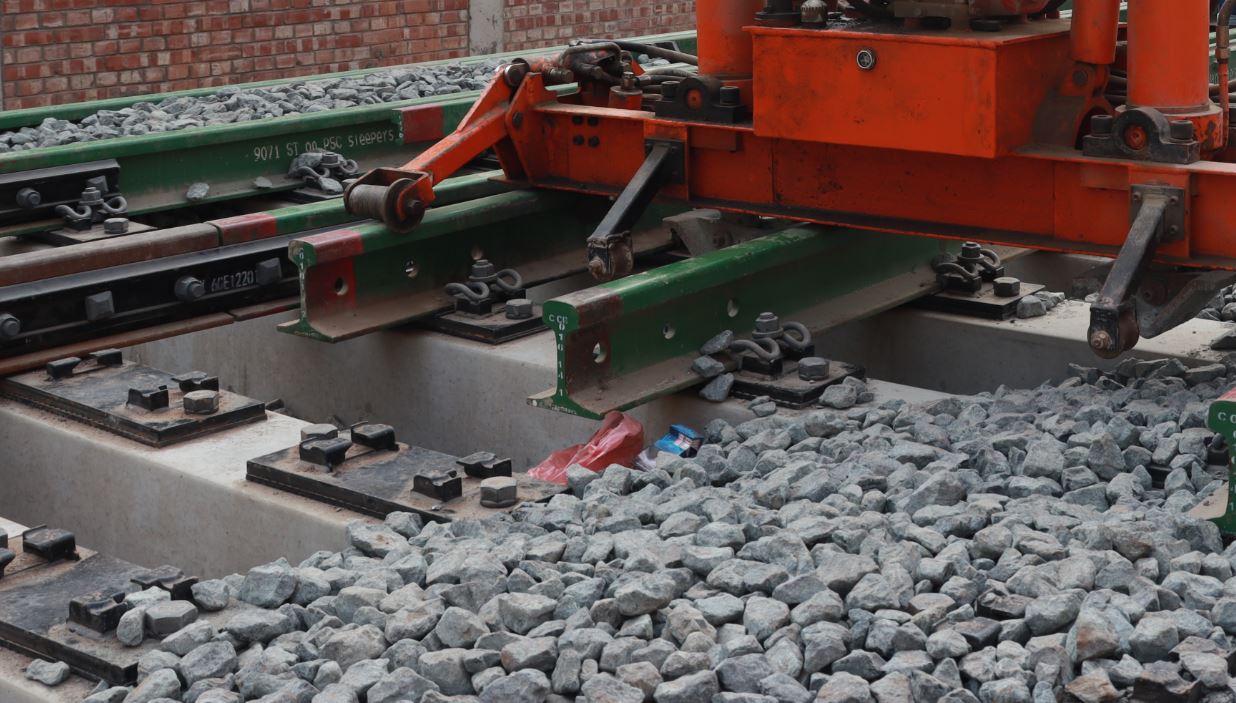
A central pillar of the reform agenda is the restructuring of South Africa’s freight rail network, currently monopolized by state-owned operator Transnet. Under the plan, infrastructure management will be separated from rail operations to enable the entry of at least four private freight train companies. An independent transport economic regulator will also be established to ensure fair access and healthy competition.
Improve service quality
The government aims to significantly increase the utilization of the rail network from just 25% in 2023 to 65% by 2027 through improved service quality and reduced transport costs, particularly for businesses reliant on freight logistics.
The World Bank loan will also support crucial energy reforms, including investments in the electricity transmission system and improvements in municipal power distribution. These measures are designed to bolster energy security and enhance grid reliability in the face of persistent power shortages.
As part of South Africa’s just transition away from coal, the reforms will be accompanied by $750 million in grant funding to support job creation and social protection initiatives in coal-dependent regions. Officials estimate that around 10,000 jobs, many targeting women and vulnerable populations—will be generated in the near term.
The overall reform package aligns with three strategic pillars: boosting energy security, promoting a low-carbon economy, and improving freight service delivery. These are seen as vital steps toward restoring economic growth, with unemployment still above 31% and GDP growth languishing below 1% annually.
World Bank Country Director Satu Kahkonen highlighted the potential of the reforms to create up to 250,000 jobs by 2027 and as many as 500,000 by the early 2030s. She emphasized that the initiative could address long-standing economic bottlenecks and significantly improve public service delivery.