
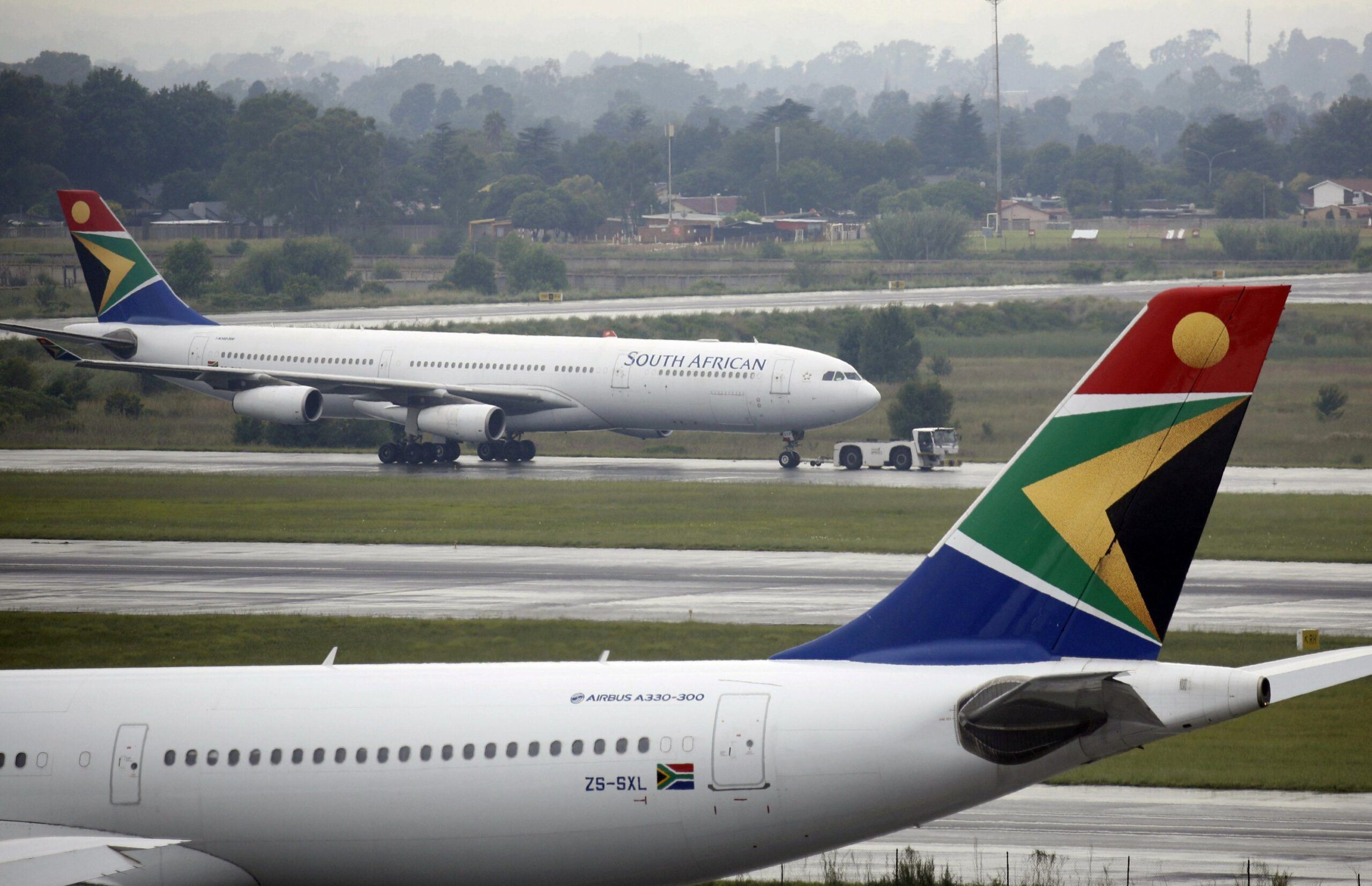
South Africa’s aviation sector currently has sufficient jet fuel stocks to meet demand for about three weeks, but industry experts caution that infrastructure constraints in the fuel supply chain could pose risks if global crude oil supply disruptions continue.
Speaking during a panel discussion on infrastructure, investment, and innovation at the Board of Airline Representatives of South Africa Aviation Summit in KwaZulu-Natal, Siganeko Magafela, executive director of the Fuel Industry Association of South Africa (Fiasa), confirmed that current jet fuel stocks remain adequate.
“We currently have no shortage in terms of supply,” he said, adding that existing stocks would take more than three weeks to be depleted.
However, Magafela highlighted that the greater vulnerability lies in crude oil supply, which ultimately determines refinery output.
“We are in a delicate situation. If this crisis continues beyond two weeks, then we need to do something as a country.”
Infrastructure challenges in aviation fuel supply
South Africa’s aviation fuel supply has increasingly relied on imports following the closure of several domestic refineries between 2020 and 2022. OR Tambo International Airport currently receives fuel from two sources: Natref and imported fuel delivered via Durban.
Magafela explained that infrastructure limitations in the fuel distribution network have compounded supply chain risks.
“When those refineries went down, we realised that the new pipeline that Transnet built was not linked to the refinery infrastructure,” he said.
Imported fuel is sometimes transferred from vessels into the pipeline system via port terminals. Durban, however, lacks sufficient storage capacity to hold buffer stocks for OR Tambo.
The multi-product Transnet pipeline also relies on other fuel grades to move products through the system, which has created further operational constraints.
“You need other grades to be able to push the product through the pipeline, and currently we are really limping when it comes to the other grades,” Magafela noted.
Building resilience for future supply
Industry players are working to expand storage capacity to improve resilience. Current terminal storage provides roughly 10 days’ capacity, with plans to increase this to 12 to 13 days.
Magafela warned that the system could face greater pressure if refinery supply is disrupted.
“If Natref goes down, then OR Tambo becomes exposed,” he said.
Contingency measures could include drawing on crude reserves stored at Saldanha Bay to support refinery operations if needed, though discussions with government on this option have not yet begun.
South Africa’s aviation industry continues to monitor supply chain vulnerabilities, emphasising proactive planning to ensure uninterrupted jet fuel availability even amid global uncertainties.