
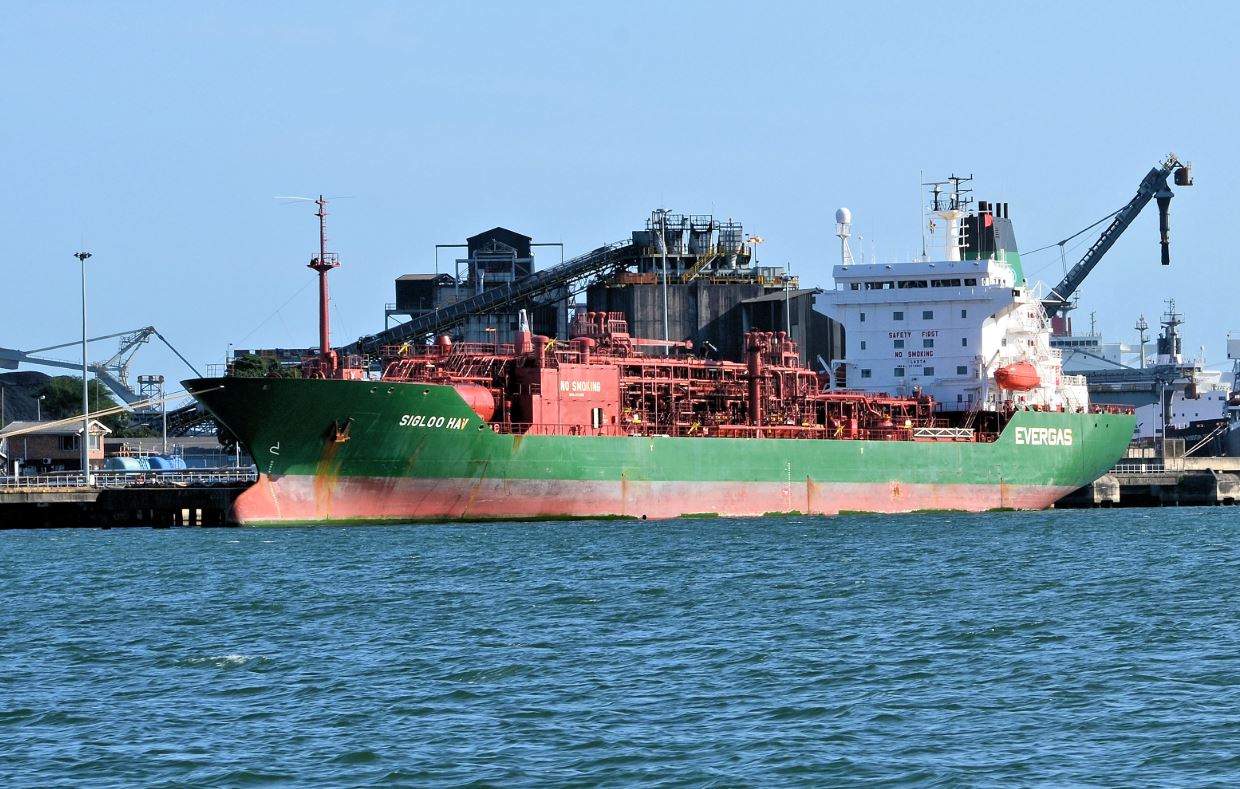
Transnet National Ports Authority (TNPA) has made significant strides with the signing of two major agreements at the Port of Richards Bay, which will transform the region’s economic landscape.
The agreements include the establishment of South Africa’s first Liquefied Natural Gas (LNG) import terminal and a new liquid bulk facility in the South Dunes precinct. The LNG terminal project is a crucial part of South Africa’s strategy to diversify its energy supply and meet the growing demand for gas-to-power solutions.
Effects of long-term deal
With a long-term agreement of 25 years, the terminal will help meet the country’s energy needs by supporting independent power producers and Eskom with a reliable LNG supply. The estimated volume throughput could exceed 5 million tons per year, directly contributing to government’s Just Transition program and the introduction of 6,000 MW of gas-to-power projects.
On the other hand, the liquid bulk terminal will strengthen the port’s capabilities for handling vital maritime fuels, such as bunker fuels, that support the logistics of bulk carriers and container ships. This facility will offer modernised, efficient bunkering services, ensuring a steady fuel supply over its 25-year lifespan.
Job creation is a major benefit of both projects, with over 1,000 new roles expected to be generated by the LNG terminal, including downstream jobs in the surrounding communities. The liquid bulk terminal project will also create around 50 jobs, contributing to the local workforce and stimulating regional economic growth.
Both initiatives align with TNPA’s broader vision of using private-sector partnerships to enhance South Africa’s freight logistics, improve port capacity, and drive economic growth through key energy and logistics projects.