
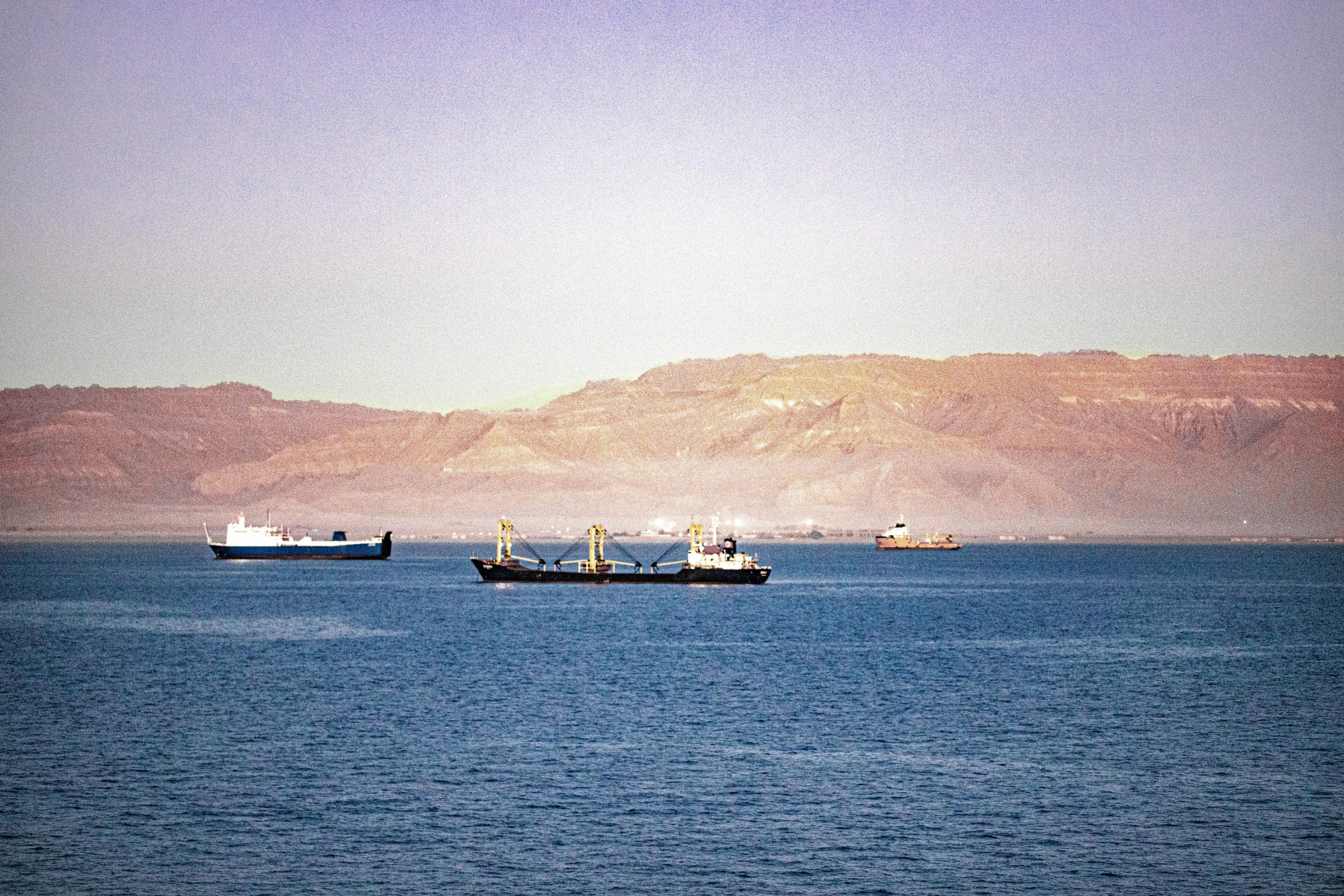
In the wake of the Strait of Hormuz’s closure, Egypt and Eritrea’s new maritime agreement signals a transformative shift in African trade, aiming to enhance logistics and economic cooperation
Amidst the global disruptions, particularly the closure of the Strait of Hormuz, countries worldwide are compelled to reassess their import and export strategies. In a promising response, Egypt and Eritrea have taken a significant step towards strengthening their economic partnership by signing a maritime transport cooperation agreement. This foundational agreement establishes a direct shipping line connecting their respective ports, which is poised to enhance logistical connectivity and expand trade opportunities between the two nations.
The signing ceremony took place during a high-profile visit by Egypt’s Minister of Foreign Affairs, Badr Abdelatty, who, accompanied by Transport Minister Kamel Al-Wazir, travelled to Asmara, the Eritrean capital. This visit underscores Egypt’s dedication to improving bilateral relations and reinforcing economic ties with Eritrea across numerous key sectors, including mining, transportation, pharmaceuticals, and fisheries.
Abdelatty said this agreement marks a pivotal moment in their efforts to deepen economic cooperation with Eritrea. He added that the new shipping line would not only facilitate trade but also create new job opportunities and foster economic growth for both nations.
The closure of the Strait of Hormuz, a critical passageway for global oil shipments, has heightened the urgency for African countries to establish alternative trade routes. For Egypt and Eritrea, this agreement represents an opportunity to navigate these challenges collaboratively. By bolstering their shipping capabilities, both nations aim to capitalise on their geographical advantages, thereby attracting more investment and enhancing trade flows.
As the maritime transport sector grows increasingly vital amid geopolitical shifts, this agreement serves as a beacon of optimism for the African continent, underscoring the importance of fostering regional partnerships. With continued collaboration, Egypt and Eritrea hope to build a resilient economy and a sustainable future amidst a complex global trading environment.