
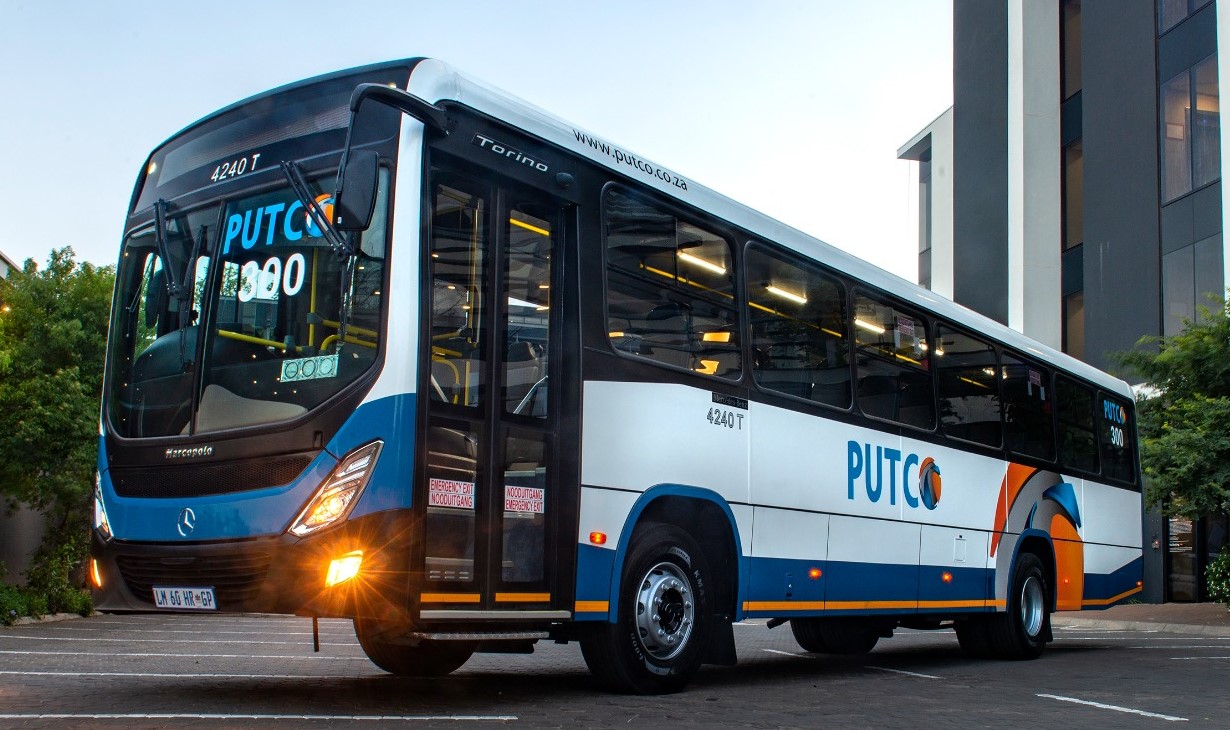
Commuters face rising costs as public transport adjusts
South Africans who rely on public transport are beginning to feel the ripple effects of soaring fuel prices. Putco, one of the country’s largest bus operators, has announced a 10% fare increase effective June 1, 2026.
In a media statement, Putco acknowledged that the decision was unpopular among commuters, many of whom expressed frustration at this being the second fare hike in 2026. However, the company emphasised that the increase was unavoidable to sustain operations and maintain service quality.
“We understand that the cost of living has gone up. However, we have to increase fares in order to continue providing a good quality service that will ensure that you travel to work safely and on time. Despite this increase, Putco remains one of the most affordable ways to travel,” the statement read.
Industry experts had long warned that rising fuel costs would eventually burden commuters. Gavin Kelly, CEO of the Road Freight Association, explained that transport operators cannot absorb escalating expenses indefinitely.
“Nobody wants to run transport or any business at a loss. Those costs are starting to filter in. Some may be gradual, but everyone is aware of these pressures. Operators are trying to minimise the impact as much as possible without their businesses closing,” Kelly told Logistics Business Africa.
The fare hike underscores the unavoidable link between global fuel prices and local transport costs. While commuters bear the brunt of these increases, operators like Putco face the difficult balance of affordability versus sustainability. As fuel prices continue to climb, South Africa’s public transport sector may see further adjustments, making it clear that rising energy costs are not just an industry issue but a societal challenge affecting every household.