
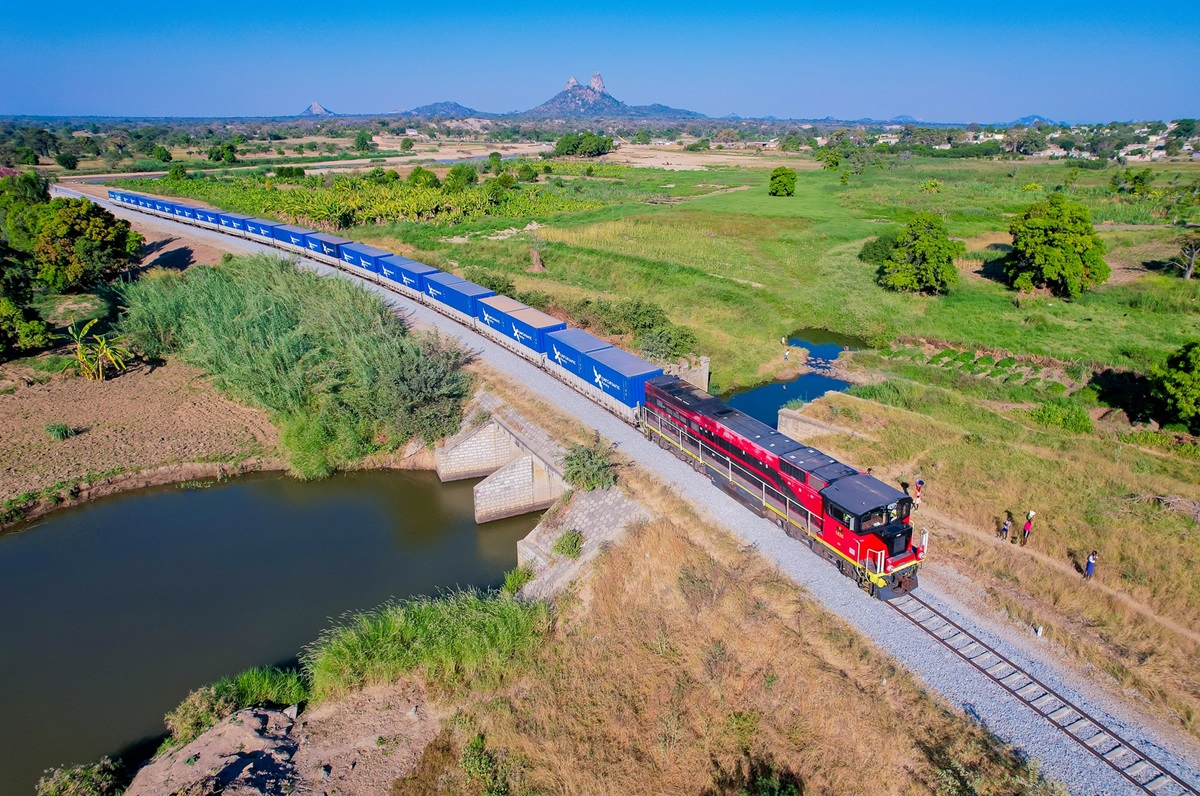
The operation moved 12,143 tonnes of copper cathodes from the DRC to Angola’s Port of Lobito, involving two railway networks, 20 trains and direct loading onto a bulk carrier
Lobito Atlantic Railway (LAR) has completed its first fully integrated copper export operation, managing the movement of 12,143 tonnes of copper cathodes from the Democratic Republic of Congo (DRC) to Angola’s Port of Lobito.
The shipment originated in the Kolwezi region of the DRC and was transported by rail before being loaded onto a bulk carrier at the Mineral Terminal in Lobito. The operation took place between 9 and 16 November 2026.
According to LAR, the milestone was significant because the company managed the entire logistics chain, from rail transport in the DRC through to terminal handling and vessel loading in Angola.
The movement required coordination between two railway networks, with 20 trains used to transport the copper to the port. The cargo was then handled at the Mineral Terminal and loaded directly into the holds of the bulk carrier for onward shipment to international markets.
This required the different stages of the operation to work together, including cross-border rail movements, port handling and the final transfer of cargo to the vessel.
Linking the Copperbelt to international markets
The operation highlights the role of the Lobito Corridor in connecting mineral-producing areas in the DRC to an export gateway on Africa’s Atlantic coast.
The Lobito Atlantic Railway operates the Angolan section of the corridor under a 30-year concession awarded by the Angolan government in 2022. It also operates the Mineral Terminal at the Port of Lobito. In the DRC, the railway connects to the country’s rail network through a track access agreement with state-owned railway company SNCC.
The railway stretches approximately 1,739km between Kolwezi and Lobito, providing mining companies with a route to move minerals towards international shipping markets.
Copper and cobalt are among the key commodities transported along the corridor. The route also handles other bulk and commercial cargo, supporting trade between Angola and the DRC.