
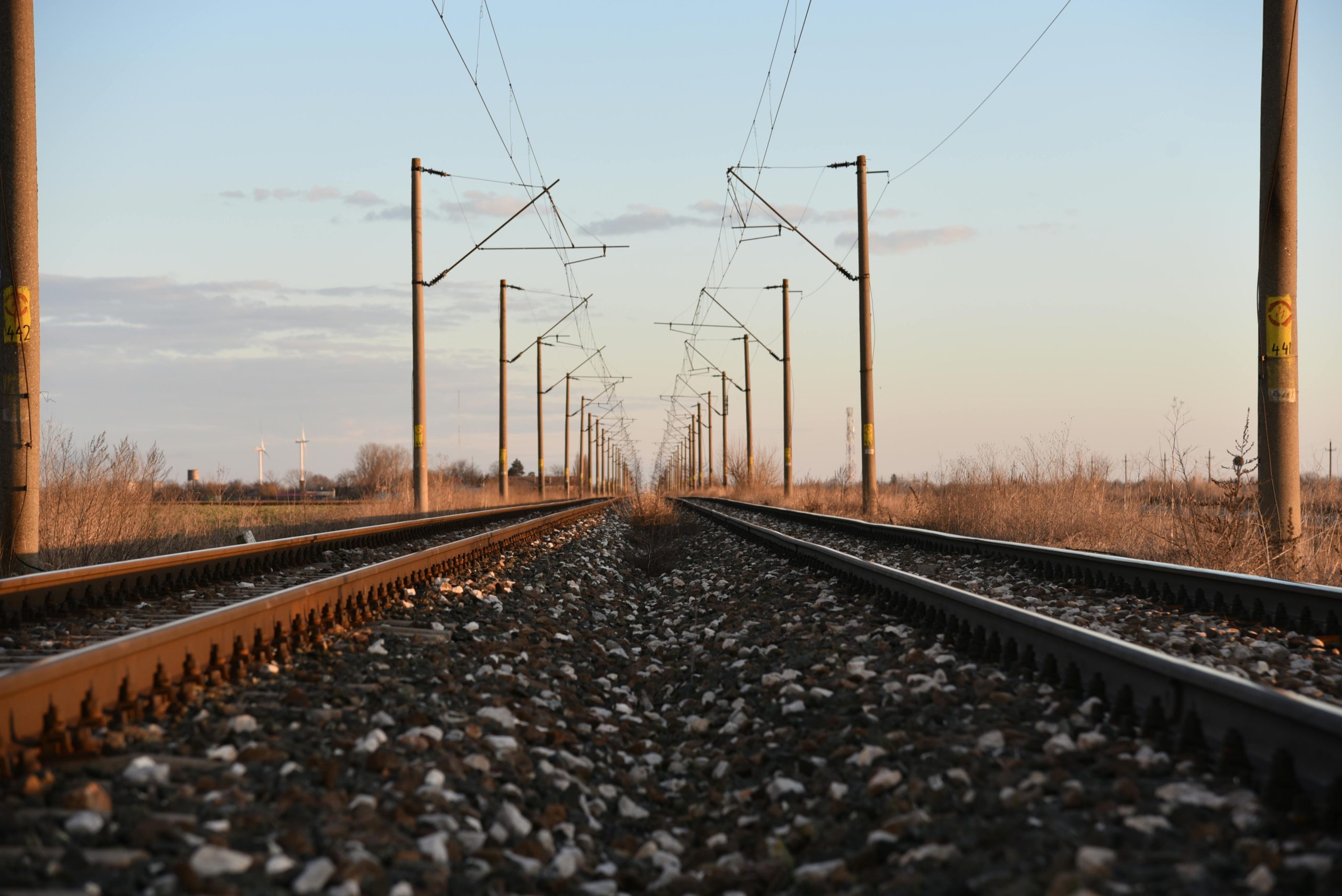
Mozambique’s Limpopo rail line has reopened after three months of closure due to severe flooding
Mozambique’s publicly owned port and rail company, Caminhos de Ferro de Moçambique (CFM), announced the reopening of the Limpopo rail line. This crucial route had been shut down for three months due to torrential rains and subsequent floods that ravaged the region in January. Its reopening marks a significant step towards restoring the country’s critical transport infrastructure and alleviating the economic strains felt since the natural disaster.
The announcement comes in the wake of a challenging time for CFM, which faced substantial financial losses amounting to approximately US$47 million by mid-April 2026. This staggering figure includes US$12.75 million in unfulfilled cargo transport and US$25 million designated for the necessary repair and replacement of damaged infrastructure and equipment.
These losses have raised alarms about the company’s capacity to meet its projected outcomes for 2026, especially as the chairman of the board, Agostinho Langa Júnior, noted the impact of last year’s post-election vandalism, which contributed to some of the challenges faced in maintaining operational efficiency. “These are significant amounts that could compromise the results projected for 2026 if we do not adopt effective measures,” he said during the 29th Board of Directors meeting held in Beira, Sofala province, on April 23 and 24.
Despite the setbacks, CFM reported that 14.3 million tons of diverse cargo were transported over the past year, marking an 11% increase compared to 2024. Port operations also saw a slight increase, handling 13.2 million tons, a modest growth of 0.5% from the previous year. However, not all sectors showed improvement; passenger transport witnessed a 12% decline, with only six million passengers using the service compared to 6.8 million in 2024.
As Mozambique continues to rebuild its damaged networks and reinforce its logistics capabilities, the reopening of the Limpopo rail line marks an essential conduit for economic recovery in the region.