
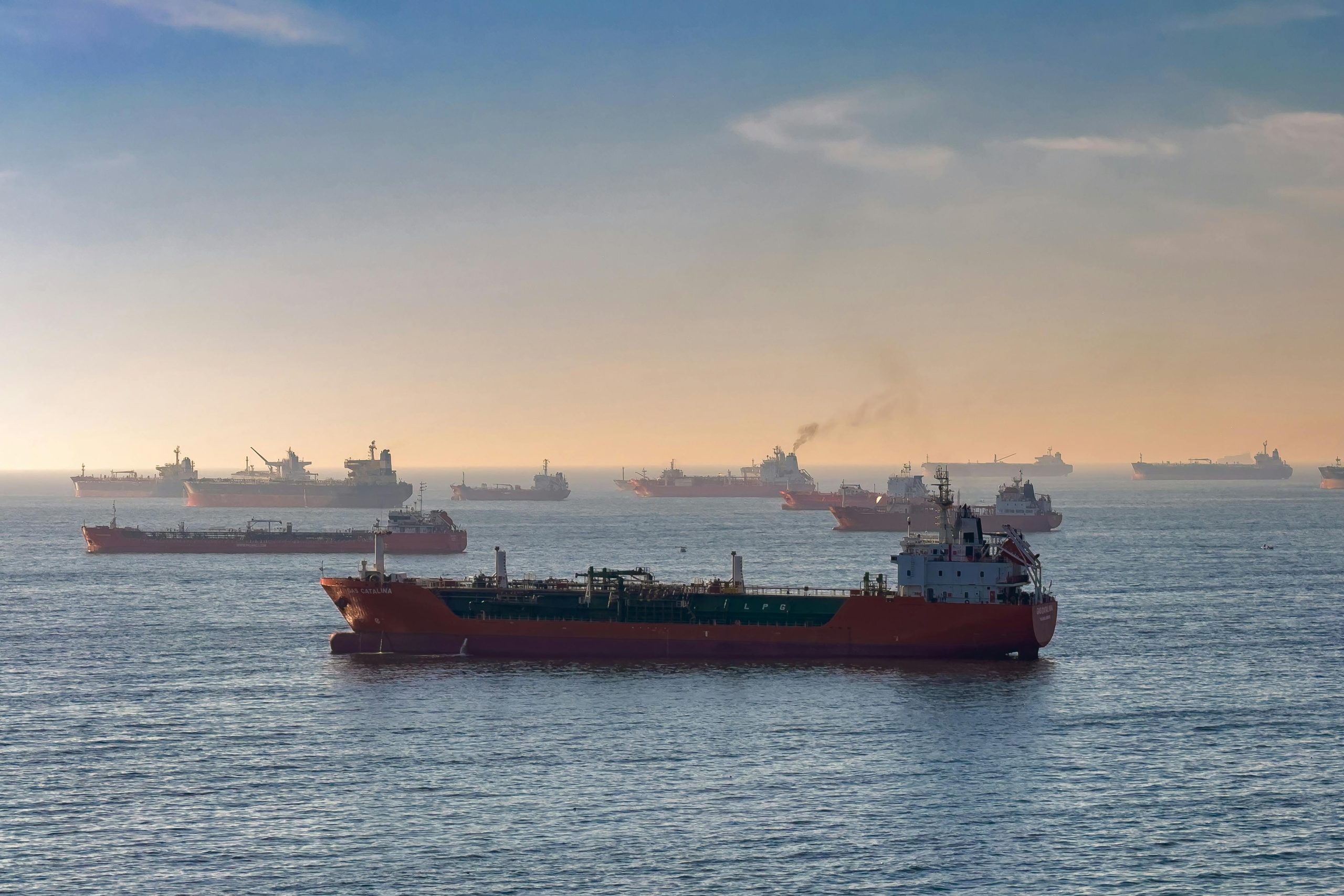
Businesses and households brace for harsher fuel hikes as Strait of Hormuz closure threatens oil supply
As the conflict in the Middle East continues to unfold, South Africans are facing another economic hit at the pump. The latest fuel price adjustments, effective from last week, have sent ripples of concern throughout the nation. Diesel has increased by R6.19 per litre, while petrol prices rose by R3.27 per litre for both 93 and 95 octane unleaded petrol (ULP and LRP). This unwelcome news adds to the mounting strain on consumers and businesses alike as fuel remains a critical component of the nation’s economy.
The Road Freight Association (RFA) has warned that the implications of these hikes are particularly dire for the road freight industry, which has already been grappling with rising operational costs. Gavin Kelly, CEO of the RFA, expressed his concern, stating, “These price hikes will have a further and significant impact on operating costs and cash flow for road freight operators across the country. Those that were already in a precarious position following the April increase will now have an even tougher battle to survive, and there may well be hard decisions to make regarding business longevity or even business closure.”

The weight of these increases is expected to trickle down to consumers, with retail and service providers being forced to absorb and subsequently pass on these costs. Kelly elaborated, “Inflation targets will come under upward pressure as a result, eroding the purchasing power of ordinary South Africans who are already stretched.” This growing inflation is likely to squeeze households further, many of which are already struggling with the rising cost of living.
The backdrop to these grim projections is the ongoing instability in the Middle East, where the closure of the Strait of Hormuz has exacerbated damage to critical oil infrastructure. Global oil prices have surged, with Brent Crude rising from USD 93.67 to USD 101 per barrel. Analysts warn that if the conflict is not resolved soon, further fuel price hikes are inevitable, and they will be severe, given the difficulty of securing oil supplies with the Hormuz closed.
In this context, the pressures on both businesses and households are likely to intensify in the coming months. With no immediate solutions in sight, the future remains uncertain for many struggling to navigate the rising expenses of daily life.