
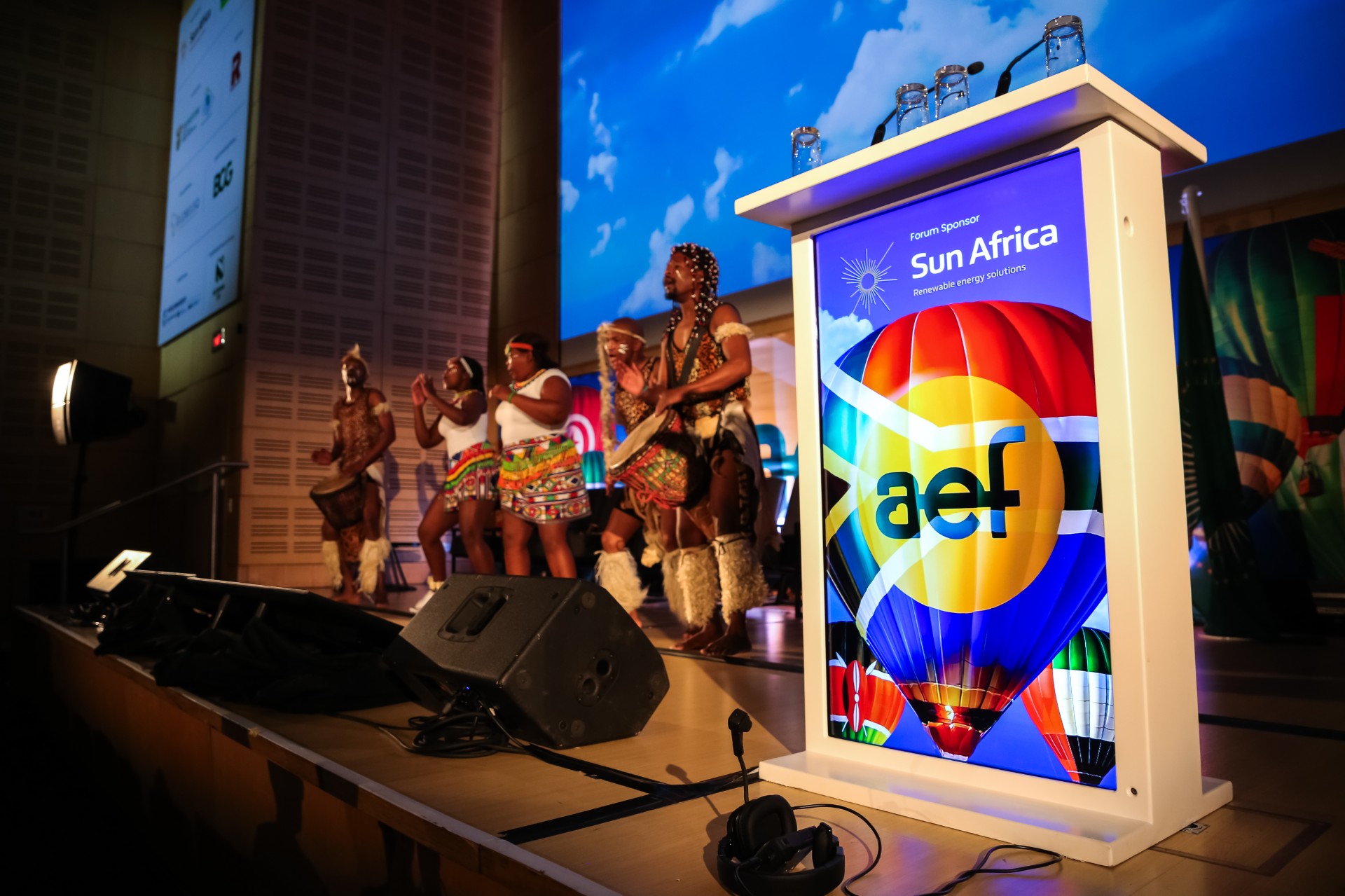
The Cape Town summit will examine how energy, mining and transport infrastructure are reshaping Africa’s trade and industrial future
The Africa Energy Forum (AEF) will return to Cape Town from June 16-19, 2026, bringing together governments, investors and private sector leaders focused on accelerating Africa’s transition from energy access to large-scale industrial infrastructure development.
This year’s forum is expected to place significant emphasis on the infrastructure and logistics systems required to support Africa’s industrial growth, including transmission networks, transport corridors, mining infrastructure and renewable energy developments that will underpin future manufacturing and trade across the continent.
A range of global and African energy companies are expected to participate, including Sun Africa, ACWA Power, Infinity Power, AMEA Power, Globeleq and TotalEnergies. These firms are currently involved in developing gigawatt-scale renewable energy projects, financing transmission infrastructure and supporting industrial-grade energy systems aimed at powering mining, manufacturing and logistics operations.
According to Sun Africa CEO Adam Cortese, the summit will focus on long-term investments capable of transforming Africa’s industrial landscape. He highlighted the importance of financing baseload energy capacity for heavy industry, developing mining corridors that will shape future trade routes and deploying renewable energy projects that support manufacturing growth.
The event’s agenda reflects growing recognition that logistics infrastructure and energy development are increasingly interconnected. Discussions will focus on the movement of critical minerals from extraction sites to downstream processing facilities, while also exploring the role of transport corridors in supporting exports and regional trade integration.
Critical minerals will form a key part of the programme through a dedicated two-day stream examining downstream processing opportunities, infrastructure financing and transport connectivity. Sessions will explore major regional projects such as the Lobito Corridor, Liberty Corridor and Simandou infrastructure development, all of which are viewed as strategic models for large-scale infrastructure investment and project finance.
Transmission infrastructure and grid expansion are also expected to feature prominently, particularly as African countries seek to attract private investment into power networks capable of supporting industrial activity, data centres and manufacturing hubs. Industry stakeholders will further examine energy trading models, creditworthy off-take agreements and the role of technology in improving operational efficiency and revenue protection.
Speaking ahead of the event, EnergyNet Managing Director Simon Gosling said the 2026 agenda would focus on the “hardware of industrialisation”, including the physical infrastructure required to drive long-term economic growth across Africa.
South Africa has been positioned as a live case study for many of the challenges and opportunities facing the continent, including private transmission investment, mining-linked renewable energy projects and balancing industrial expansion with climate commitments.
The forum will also facilitate closed-door discussions between development finance institutions, sovereign wealth funds, utilities, regulators and private investors to support deal-making and infrastructure financing.
High-level government and industry leaders expected to attend include South African Minister of Electricity and Energy Kgosientsho Ramokgopa, Deputy Minister Samantha Graham-Marè, Eskom Group Chief Executive Dan Marokane, Liberia Vice President Jeremiah Kpan Koung and African Union Commissioner for Infrastructure and Energy Lerato Mataboge.
The final day of the event will host the YES! (Youth Energy Summit), which aims to equip young entrepreneurs with practical skills and opportunities within Africa’s growing energy and industrial sectors