
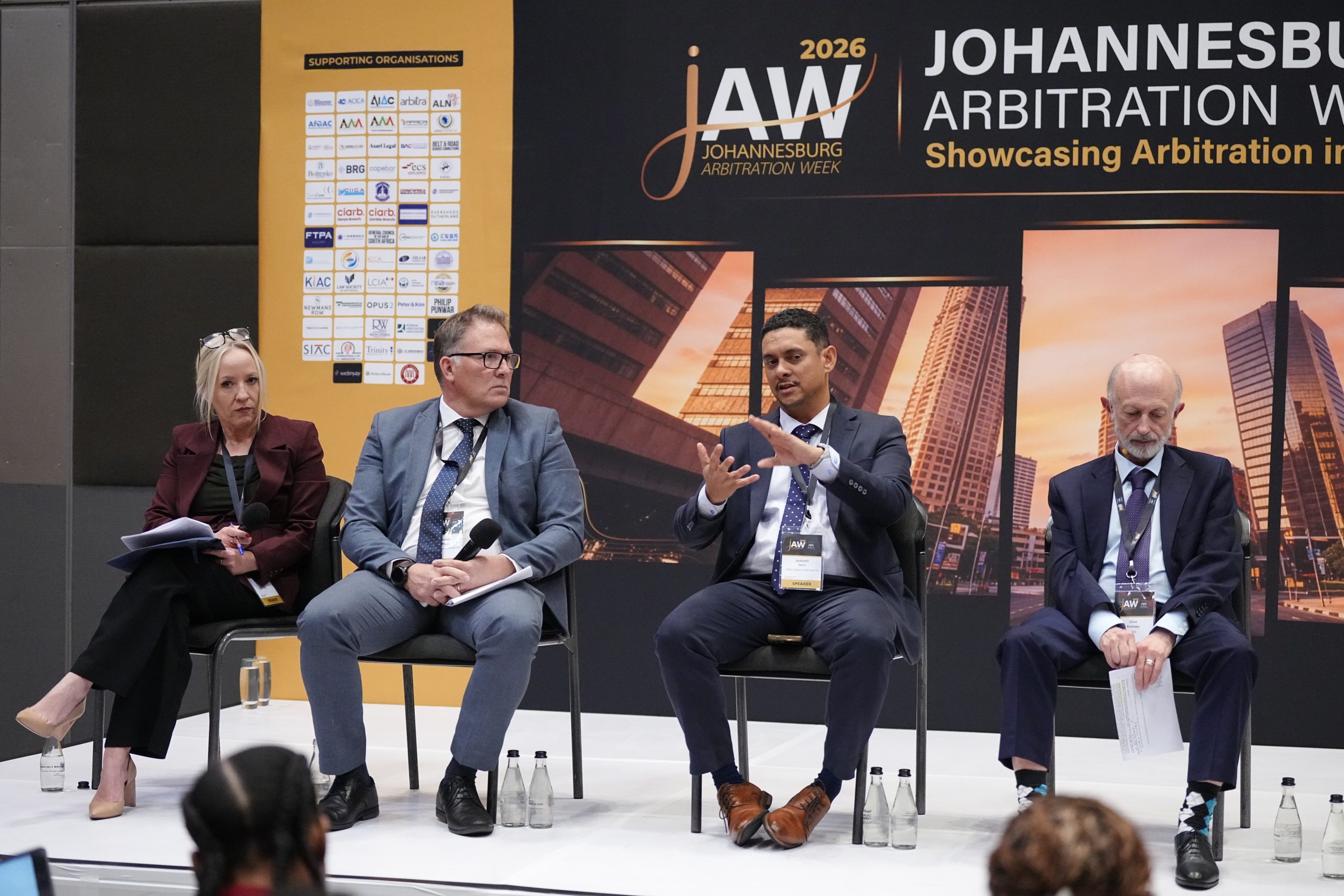
Experts at Johannesburg Arbitration Week emphasised the urgent need for Africa to take control of its logistics corridors and ports to unlock its mineral potential
At the recent Johannesburg Arbitration Week (JAW), held from May 5 to 6 at the Sandton Convention Centre, an urgent call echoed among industry experts: Africa must build its own logistics corridors and ports to fully harness its vast mineral wealth. The session titled “Critical Minerals, Energy Security & Strategic Supply Chains: Disputes in the New Geopolitical Battleground” placed a spotlight on the continent’s pivotal role in the global critical minerals landscape.
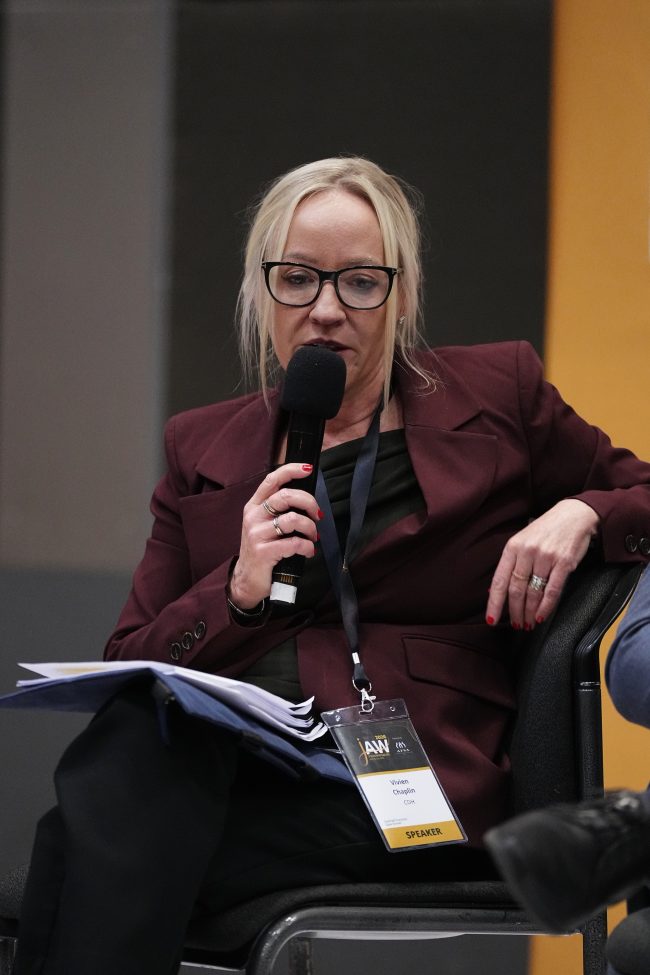
Africa, possessing the world’s largest reserves of critical minerals, is at a crucial juncture. The question now shifts from whether the continent has the resources to whether it can effectively control and channel them. Vivien Chaplin, Head of Mining & Minerals at Cliffe Dekker Hofmeyr (CDH), emphasised the continent’s logistics challenges as a significant barrier to unlocking its mineral wealth. “We do need to create corridors. It is absolutely critical for us to create the corridors and get our exports out in the world,” she said.
Chaplin warned against allowing Africa’s resources to become a “playground by proxy” for global superpowers competing for dominance. For real progress, African countries must collaborate and take ownership of the projects that affect their futures.
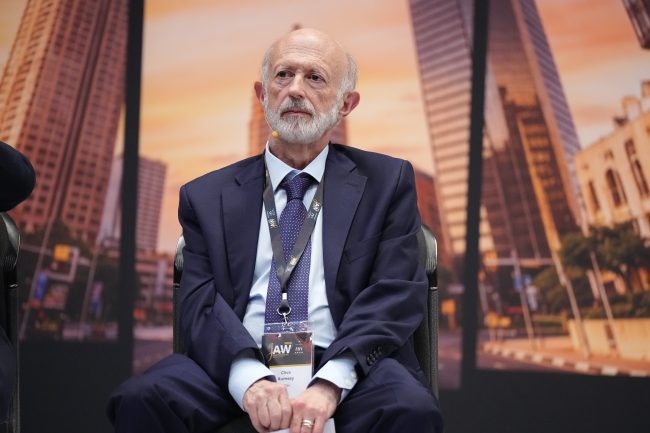
Echoing this sentiment, Clive Rumsey, Director in Dispute Resolution and Head of Construction & Engineering at CDH, addressed the recurrent issues hindering infrastructure projects across Africa. “Time and time again, projects are held up simply because the parties don’t follow the statutory procurement process,” he explained, citing instances where projects faltered due to shifts in government or unrealistic timelines set from the start.
Rumsey underscored the necessity for collaboration among African nations, particularly in energy initiatives. “If we need energy, we need power generation; we should be doing that for the right reasons… get people to sit down and say, we need to finish this project together.” He advocated for balanced risk-sharing, urging governments to assume responsibility for facilitating successful outcomes.
Ownership emerged as a recurring theme in the discussions surrounding Africa’s mineral wealth. While the continent’s resources are undeniable, the lack of control over logistical corridors means Africa risks remaining a mere supplier in the global market without any leverage. Establishing ports and corridors managed by African entities would not only safeguard rights but boost bargaining power within the international supply chain.
The Johannesburg Arbitration Week underscored that Africa’s logistics future hinges on two fundamental shifts: local ownership of essential infrastructure to prevent external domination and improved collaborative contracting for overcoming persistent challenges in project management.
As demand for critical minerals accelerates, Africa stands at a crossroads. The continent can either continue to let external powers dictate the flow of its resources, or it can seize the moment to build corridors that are truly African, designed, owned, and managed for the continent’s long-term prosperity