
The agreement will see Mota-Engil Africa rehabilitate, modernise, operate and maintain more than 1,000km of railway linking the DRC to Angola’s Port of Lobito
The Democratic Republic of Congo (DRC) has signed a 30-year concession with Mota-Engil Africa for the rehabilitation, modernisation and operation of a key section of the Lobito Corridor.
The agreement covers the Dilolo-Sakania railway, which forms the Congolese section of the corridor and links the country’s mineral-rich southern provinces with Angola’s Atlantic coast. The line passes through key economic centres including Kolwezi, Tenke and Lubumbashi.
For the DRC, the railway is expected to provide an alternative route for moving minerals and other cargo to international markets through the Port of Lobito, while improving connections between the country’s mining, industrial and agricultural regions and regional transport networks.
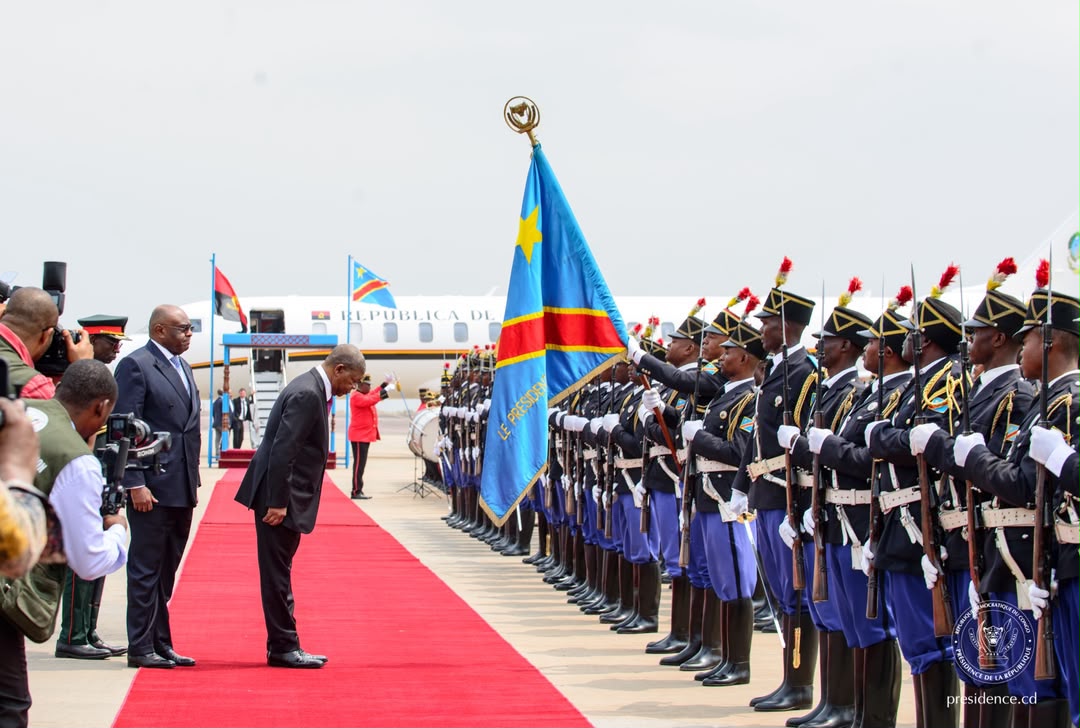
The concession agreement was recently signed in Kinshasa with DRC President Félix Tshisekedi and Angolan President João Lourenço present.
Under the agreement, Mota-Engil Africa will finance and undertake the rehabilitation and modernisation of the railway, as well as operate and maintain the infrastructure during the 30-year concession period.
The railway covers approximately 1,004.5km, according to the DRC Presidency, while Mota-Engil has referred to the concessioned section as approximately 1,037km.
The line will carry minerals, goods, liquids and gases, supporting freight movement from the DRC towards Angola’s Port of Lobito.

The DRC government said the project was initially expected to attract an indicative investment of about US$1.258 billion. Mota-Engil has since put the expected investment over the concession period at approximately US$1.8 billion.
The majority of the investment is expected to go towards rehabilitating existing railway infrastructure, modernising the network and constructing new infrastructure required to support operations.
The agreement also sets out conditions aimed at keeping the railway accessible to other qualified operators. The DRC has stressed that the concession does not privatise the Société Nationale des Chemins de fer du Congo (SNCC), the country’s national railway operator, or create a railway monopoly.
The railway is expected to support the movement of cargo from the DRC’s mining regions to the Atlantic coast, strengthening the Lobito Corridor as an alternative trade route for Central Africa.
For the DRC, improving the reliability and capacity of the railway could help reduce the time and cost involved in moving cargo to export markets, while giving businesses another option alongside established routes through southern and eastern Africa.
At the end of the 30-year concession, the railway infrastructure will be transferred back to the Congolese State under the terms of the agreement.
The deal also extends the operational development of the Lobito Corridor on the DRC side. Mota-Engil already has an interest in the consortium operating the Angolan section of the corridor, which connects the Port of Lobito with the DRC border.