
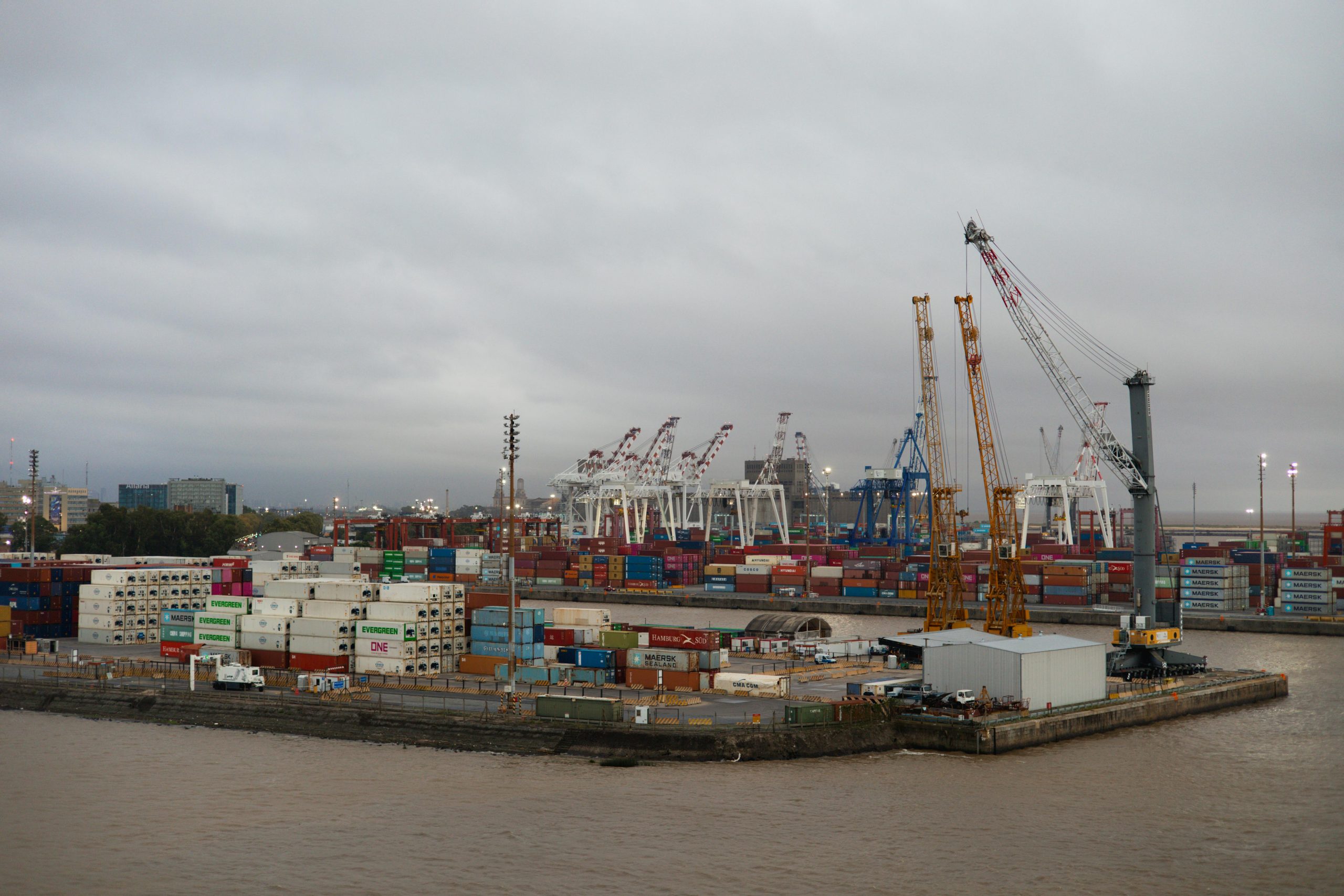
Durban’s ports face a security crisis as drug seizures highlight the need for scanning technology
South Africa’s bustling Durban Port, a critical hub for African trade, is under increasing scrutiny following alarming revelations at the Madlanga Commission. Testimony from Colonel Francois Steyn of the Hawks has raised serious concerns about the security protocols within the port, revealing that the scanners previously used for monitoring shipments are no longer operational. This troubling development came to light after the seizure of a substantial drug consignment on June 22, 2024, highlighting the rampant opportunities for criminal activities in the absence of effective oversight.
Handling an astounding 4,000 to 4,500 containers daily, the Durban Port stands as a testament to both the continent’s commercial vitality and a stark vulnerability in the battle against illicit trade. The sheer volume of shipments makes manual inspections impractical, underscoring the critical role that advanced scanning technologies could play in mitigating these risks:
Combating drug trafficking: The recent seizure illustrates how ports are being exploited by criminal networks. Without effective scanning measures, such illicit goods can easily slip through unnoticed.
Preventing human trafficking: Among the most distressing implications is the potential for child smuggling. Reports indicate that nearly 2,000 children went missing between 2022 and early 2025, with over 700 still unaccounted for. Implementing scanners could be vital in averting such tragedies.

Economic protection: The ramifications of illegal shipments extend beyond crime to affect legitimate trade, tarnishing reputations and destabilising industries. Scanning technologies serve as a safeguard for commerce and national security.
Compliance with global standards: As international shipping increasingly calls for robust scanning protocols, Durban risks falling behind if it does not promptly restore these critical measures.
Durban, renowned as Africa’s busiest port, is more than just a concern for the region; it is an essential case study. The current lack of operational scanners invites fraud and corruption while damaging the reputation of South African customs authorities. The risk of the nation becoming a haven for illicit trade looms large, threatening not only trade integrity but national security as well.
Now more than ever, the reintroduction and upgrading of scanning technology at Durban and other ports is not merely an option; it is an imperative:
- Authorities must invest in modern scanning systems capable of effectively managing the high volumes of incoming shipments.
- Integration of scanning technology with intelligence-led policing strategies will enable customs officials to better target high-risk shipments.
- Collaboration with international partners will foster resource-sharing and the adoption of best practices, fortifying oversight mechanisms.
The situation at Durban port serves as a sobering reminder for Africa’s logistics sector. As gateways to economies, ports must evolve; without effective scanning technologies, they risk transforming into gateways for crime, rather than conduits of legitimate trade.