
Government argues its labour and customs laws already prohibit forced labour, as it works to safeguard key exports to the United States
While relations between South Africa and the United States remain under strain, trade between the two countries continues to be a priority. Against this backdrop, South Africa is seeking an exemption from a proposed 12.5% US tariff that could apply to imports from countries deemed to have inadequate measures to prevent goods produced with forced labour from entering their markets.
The request follows South Africa’s participation in a public hearing on the United States’ Section 301 investigations into forced labour, held in Washington, DC, on July 9.
Representing the country, the Department of Trade, Industry and Competition (dtic) argued that South Africa already has a robust legal framework that prohibits forced labour and the importation of goods produced under such conditions. The department noted that South Africa has ratified the relevant International Labour Organization (ILO) fundamental conventions and has legislation in place to enforce compliance.
According to the dtic, existing laws provide authorities with the necessary powers to prevent the import of goods linked to forced labour. These include the International Trade Administration Act, which enables government to prohibit or regulate the importation of specific classes of goods, and the Customs and Excise Act, which allows customs officials to detain or seize prohibited imports at the country’s borders.
South Africa also highlighted that products manufactured using prison labour are already prohibited under Section 113 of the Customs and Excise Act.
Based on these measures, the government has urged the United States to exempt South Africa from the proposed tariff. As an alternative, it requested that key South African exports, including platinum group metals, other precious metals, vehicles, catamarans, citrus, seafood, wine and nuts, be excluded from any tariff action, arguing there is no evidence that these products are made using forced labour.
The Office of the United States Trade Representative (USTR) has invited stakeholders to submit post-hearing comments by July 16, 2026 before considering the next steps in the investigation.
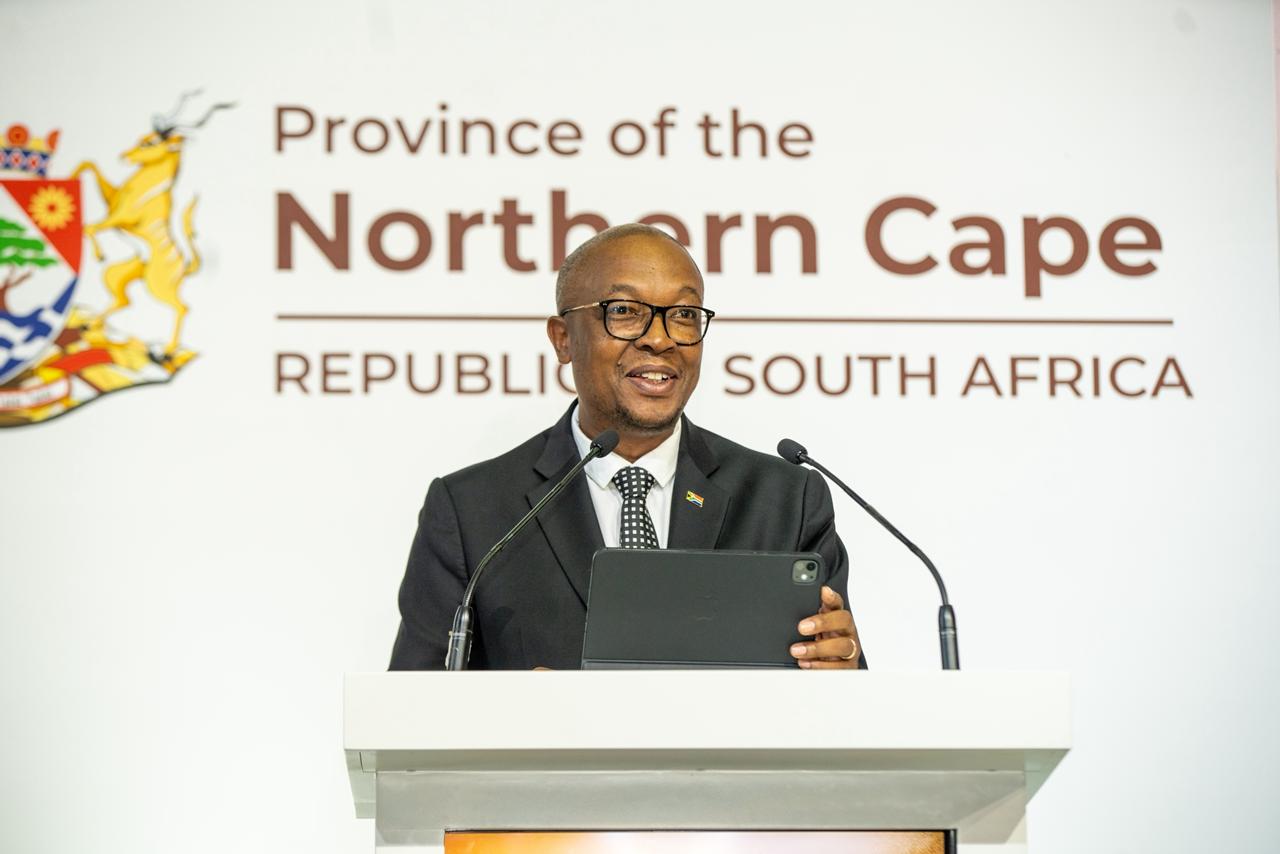
Minister of Trade, Industry and Competition Parks Tau said the United States remains a critical export market for South Africa, despite current trade tensions.
He said government would continue engaging with US counterparts on a range of trade matters, including the Section 301 investigation, the renewal of the African Growth and Opportunity Act (AGOA), and the Section 232 tariffs affecting South African exports of steel, aluminium, vehicles and automotive components.
The outcome of the investigation could have significant implications for South African exporters, particularly those operating in sectors that rely heavily on access to the US market.