
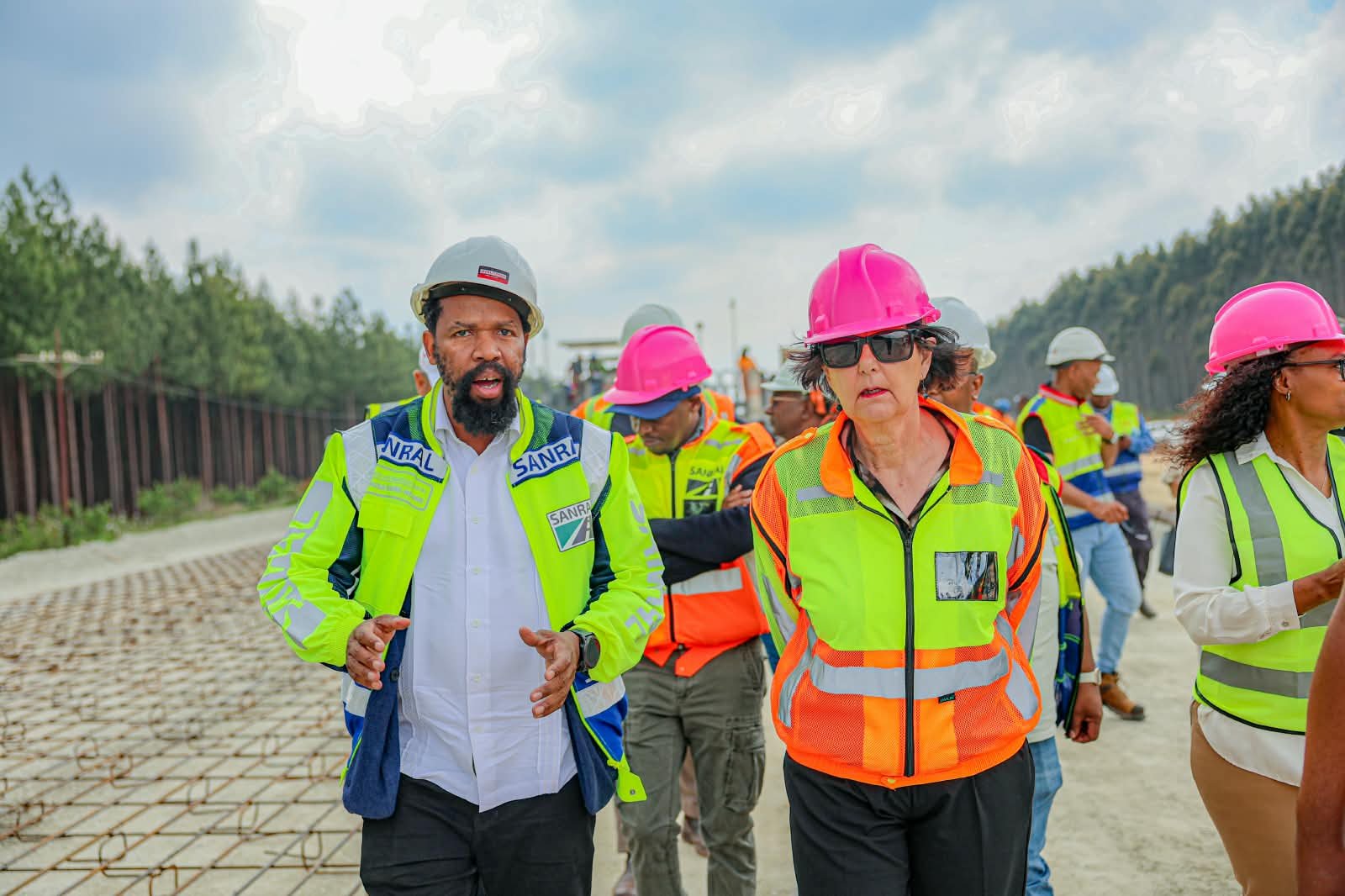
The multi-billion-rand Ermelo–Mkhondo upgrade is aimed at improving road safety, easing congestion and strengthening a key freight corridor serving mining and industrial activity
October is known as Transport Month in South Africa. The theme for this year’s campaign is“Building a safe, sustainable, reliable and affordable transport system, ” highlighting the role of transport infrastructure in supporting economic growth, improving mobility and strengthening road safety. It also focuses on developments across roads, rail, public transport, aviation and maritime transport.
“An effective and efficient transport, mobility and logistics system lies at the heart of ensuring all citizens can access their social and economic rights,” said Transport Minister Barbara Creecy. “We must shine a spotlight once again to evaluate the progress we are making in building an integrated safe and affordable transport system that acts as a catalyst, not a constraint, on a society and economy that works for everyone.”
As part of the Transport Campaign, Creecy conducted an oversight visit to the N2 corridor between Ermelo and Mkhondo (Piet Retief), where the South African National Roads Agency (SANRAL) is implementing a multi-billion-rand upgrade of the highway towards the KwaZulu-Natal border.
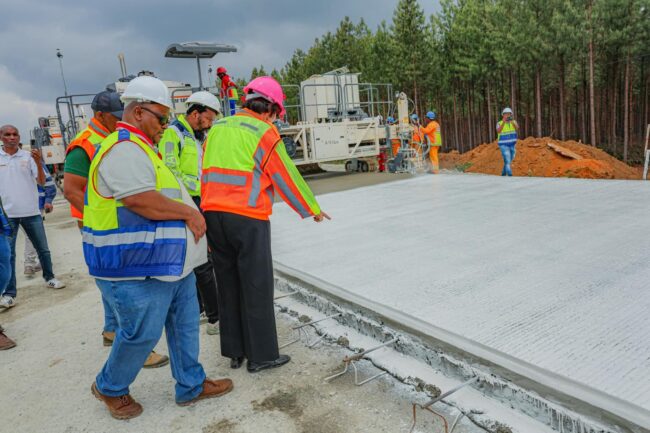
The N2 Ermelo–Mkhondo corridor is being upgraded to a four-lane dual carriageway, with the project expected to improve road safety, reduce congestion and strengthen the movement of freight along the route.
The corridor is particularly important for heavy industrial and mining traffic, linking economic activity in Mpumalanga with markets and transport networks further south and towards KwaZulu-Natal.
The N2 upgrade also fits into the broader infrastructure and economic priorities highlighted during Transport Month. SANRAL’s large-scale road projects are intended not only to improve the condition and safety of the country’s road network, but also to support economic activity and create employment.
Road safety remains a major focus of the national transport agenda, alongside efforts to improve the reliability and affordability of public transport, recover passenger rail services and strengthen the country’s freight and logistics system.
Rail and port reform are also key components of the government’s transport agenda, with private-sector participation being introduced into the national rail network and changes to the structure of Transnet’s port infrastructure aimed at improving investment and operational performance.