
Business leaders urge caution while protest organisers warn cargo delays are inevitable despite assurances that national roads will remain open
As South Africa prepares for the planned illegal immigration protest on June 30, logistics operators are tightening security around major freight corridors, with the Port of Durban and the broader eThekwini logistics network identified as particularly sensitive areas.
Although demonstrations are expected to take place in urban areas such as Johannesburg, Pretoria and Durban, industry stakeholders have warned that strategic transport routes and industrial hubs could experience spillover disruptions.
The N2 and N3 highways, which serve as critical arteries connecting the Port of Durban to Gauteng and regional markets, will remain officially open after government confirmed that 30 June is a normal working day. However, the threat of unauthorised blockades, sporadic traffic disruptions and severe congestion has prompted many freight operators to adopt precautionary measures.
The All Truck Drivers Forum and Allied South Africa (ATDF-ASA) supports the nationwide shutdown, although the organisation insists that national roads will not be completely closed.
“There won’t be a total stop on the national roads,” said Gugu Sokhela. “But the freight industry must feel that it is not a normal day. That means the cargoes will be delayed.”
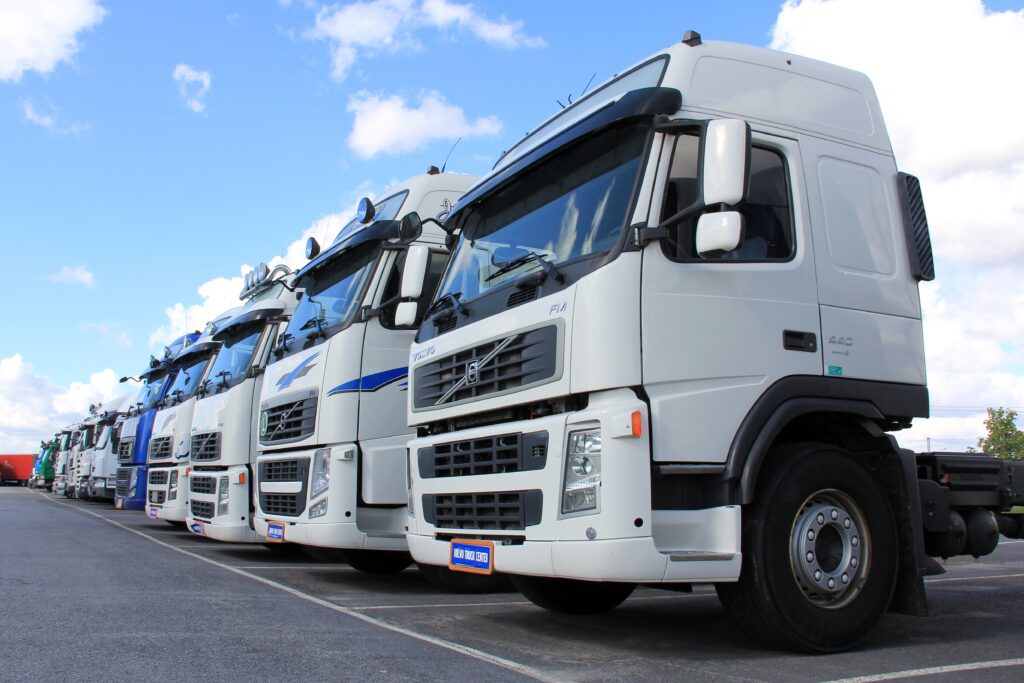
Since the outcome of the planned national protest remains unknown, some logistics companies have already instructed their driver to remain at designated truck stops until the security situation becomes clearer.
Truck driving content creator Kelly Muwana said he already saw a significant number of vehicles parked along the Durban corridor on Sunday, June 28.
“Today along the N3 highway towards Durban, I observed a worrying situation. Some transporters have reportedly instructed drivers to park their trucks at various truck stops and hold position due to uncertainty surrounding the planned events on 30 June 2026 and the days that may follow,” Muwana said.
“During my travel and checks at several truck stops, I found a large number of trucks, mostly Zambian-registered, parked and waiting until further notice, while a few others are continuing their journeys toward Durban.”
Business leaders have likewise urged companies to minimise exposure where possible. Road Freight Association CEO Gavin Kelly told MyBroadband that employers should place staff safety at the centre of operational decisions.

“We’ve said to our members you’ve got to think about your employees and whether you can delay what you’re going to do. If your customers are prepared to accept deliveries earlier, that’s probably the best option,” Kelly said.
The Port of Durban remains a critical gateway for regional trade, and any interruptions along its supporting road network could have far-reaching consequences for supply chains, affecting imports, exports and inland distribution schedules.
While authorities have not announced any formal road closures, logistics stakeholders are advising operators to maintain close communication with clients, review contingency plans and monitor developments throughout the day.