
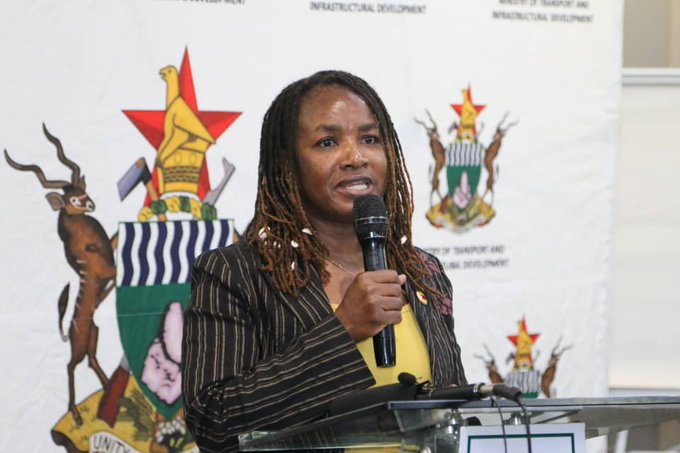
Trilateral meeting in Harare focuses on corridor efficiency, border operations and infrastructure development to boost regional trade
Representatives from three Southern African countries, Zimbabwe, Malawi and Mozambique, are in Harare for the Trilateral Joint Route Management Group and Joint Committee Meeting to discuss strategies to improve and harmonise regional transport corridors.
The meeting, attended by government representatives and transport stakeholders, aimed to explore ways to enhance cross-border connectivity, improve infrastructure, and strengthen cooperation among the three nations.
Speaking at the event, Zimbabwe’s Permanent Secretary for Transport and Infrastructural Development, Eng. Joy Pedzisai Makumbe underscored the importance of regional collaboration in improving corridor efficiency, harmonising transport regulations, strengthening border operations and accelerating infrastructure development across the region.
Makumbe said the transport corridors linking Zimbabwe, Malawi and Mozambique play a vital role in facilitating trade, attracting investment and driving economic growth in Southern Africa.
She highlighted several infrastructure projects currently underway in Zimbabwe, including the rehabilitation of the Harare–Masvingo–Beitbridge Highway, upgrades to key regional trunk roads and the modernisation of border posts aimed at facilitating the seamless movement of people and goods.
Makumbe also commended Mozambique for ratifying the African Road Safety Charter, a milestone that enabled the charter to enter into force as Africa’s first legally binding continental road safety framework.
She called on delegates to pursue practical, coordinated solutions to address challenges affecting regional transport systems and to strengthen cooperation to support regional integration, trade and sustainable economic development.
While the meeting highlighted progress in regional transport cooperation, some Zimbabwean citizens have continued to raise concerns about the state of the country’s road infrastructure, arguing that road maintenance remains inadequate in certain areas despite ongoing development initiatives.