
KPA and KRA are rolling out digital, infrastructure and staffing measures aimed at speeding up cargo clearance and evacuation at the Port of Mombasa
Kenya Ports Authority (KPA) and the Kenya Revenue Authority (KRA) are putting more effort in addressing operational bottlenecks at the Port of Mombasa as they seek to improve cargo clearance and keep goods moving through the region’s busiest port.
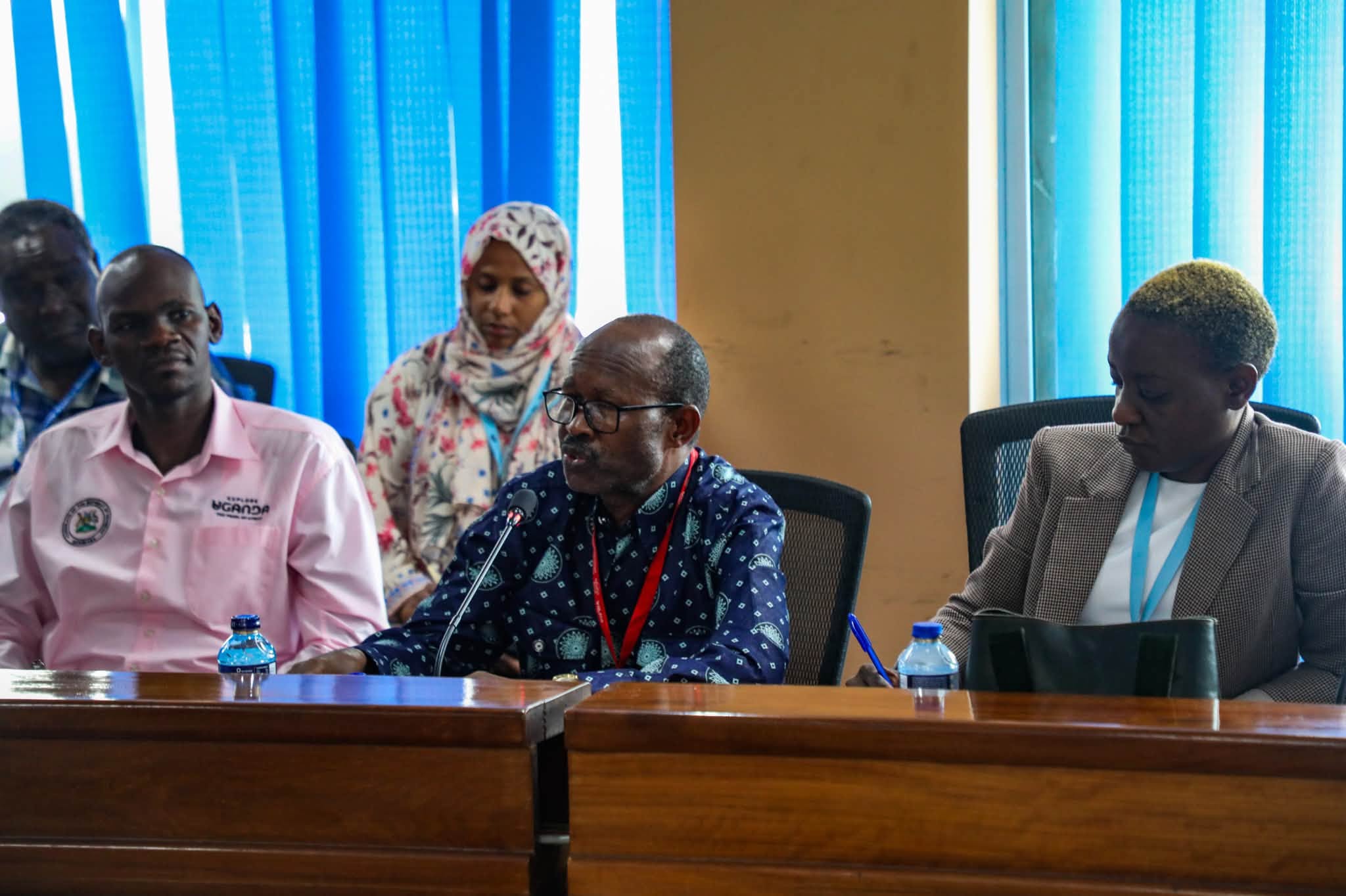
The two agencies discussed the challenges affecting cargo processing and evacuation during a recent bi-weekly port community meeting, where KPA CEO William K. Ruto and KRA Commissioner General Adan Mohamed engaged port stakeholders on measures to improve efficiency.
The reforms include upgrades to port systems, increased automation, infrastructure expansion and changes to cargo clearance operations.
A major focus is the digitalisation of port processes. KPA is upgrading its systems to provide more integrated and reliable digital services, with the aim of improving information sharing, transparency and decision-making across the logistics chain.
The authority is also introducing Smart Gates at Gate 24, which will reduce manual intervention while strengthening cargo security. The move forms part of a broader push to automate port operations and improve the speed at which cargo moves through the facility.
Infrastructure is another area receiving attention as the port deals with growing trade volumes. KPA said construction is underway on Berth 19B and the container yard at Berth 23, alongside other projects aimed at increasing capacity.
The authority is also looking at how available space within the port can be used more effectively. Domestic cargo will be transferred to nominated Container Freight Stations (CFSs), freeing up space while allowing the cargo to remain secure and accessible.

The changes are being supported by KRA, which has increased its workforce at the port and introduced three shifts to support 24-hour gate operations in line with KPA‘s operating schedule.
For importers, exporters, freight forwarders and other businesses relying on the port, the focus is ultimately on reducing the time and cost involved in getting cargo through the facility.
The two agencies said closer cooperation with private-sector stakeholders will be important in resolving the operational challenges affecting the port.
“The ongoing upgrade of port systems will provide stakeholders with more reliable, integrated and efficient digital services,” KPA said, noting that the enhanced systems are expected to improve information sharing and enable faster decision-making across the logistics value chain.
KPA and KRA also emphasised the need for practical solutions that can translate into more efficient cargo movement rather than simply adding new processes.
The agencies reaffirmed their commitment to working with government and private-sector stakeholders to improve efficiency, reduce the cost of doing business and strengthen Mombasa’s position as a regional trade gateway.
With cargo volumes continuing to grow, the combination of expanded infrastructure, automation and round-the-clock operations will be key to ensuring that the Port of Mombasa can handle demand without adding further pressure to cargo owners and the wider logistics sector.